
[:it]
Hudson River
Da qualche settimana seguo un corso online. Il professore è un signore settantenne originario del Belize che vive nel Bronx. Di giorno gestisce l’impresa di preparazione delle tasse di cui è proprietario e la sera insegna all’università. A lezione, su Zoom, si presenta davanti alla telecamera sempre con il suo cappello da baseball. Martedì 3 novembre ci sono le elezioni presidenziali e al termine dell’ultima lezione il professore sorridendo ci ha avvertito: “If I won’t show up next time, call the patrol and tell them to look for me in the Hudson River. I couldn’t bear four more years of this!” – “Se la prossima volta non mi presento a lezione, dite alla pattuglia della polizia di cercarmi nel fiume Hudson. Non potrei sopportare altri quattro anni di questo”. Scherzava, non è sicuramente il caso di buttarsi giù da un ponte nel caso in cui Trump venga rieletto. Ma mi ha fatto specie sentire una persona solitamente pacata e razionale come lui comparare quell’ipotesi ad una minaccia esistenziale. Cito questo episodio perché credo sia il termometro di come molti americani, da una parte o dall’altra degli schieramenti politici, stiano vivendo queste elezioni. Per questo ritengo sia importante raccontarti come sta la democrazia in America e cosa gli è successo nell’ultimo anno.
Lo stato delle elezioni
Il sistema elettorale americano non è in buona salute. Chiunque penserebbe che è una macchina perfettamente congegnata. In fondo è quel sistema a cui le nazioni democratiche si sono ispirate per scrivere le loro costituzioni. Ma non è così. Già prima che arrivasse la pandemia, il sistema elettorale era vecchio e arrugginito.
Nelle presidenziali del 2016 è andato a votare poco più del 56% delle persone aventi diritto. Se compariamo su questa performance la democrazia più antica del mondo con le sue sorelle, non diremmo che è un buon esempio da prendere. Gli Stati Uniti si piazzano al 26° posto tra le 32 nazioni appartenenti all’Organizzazione per la cooperazione e lo sviluppo economico (l’Italia è al 16° posto con il 65.28%).
La pessima performance americana è legata alla differenza abissale che esiste tra quanti hanno diritto al voto (nel 2016 più di 250 milioni) e quanti effettivamente lo esercitano (nel 2016 circa 139 milioni). Questo perché in America, il diritto di voto non è automaticamente acquisito con la maggiore età; devi richiederlo attraverso il processo di registrazione. E ogni stato gestisce la registrazione in maniera diversa, adottando regole che possono essere usate a proprio piacimento, spesso per restringere il numero di elettori. Ad esempio, in alcuni stati del sud e del midwest, il diritto di voto è reso più complicato per gli ex detenuti, una misura che si stima abbia ridotto l’affluenza da 2 a 3 punti percentuali, corrispondenti a decine di migliaia di voti. Altri modi per limitare il diritto al voto? Rendere lunga e difficoltosa la procedura di registrazione, eliminare “per errore” interi gruppi di elettori dalle liste elettorali, eliminare seggi elettorali aumentando i tempi di attesa in quelli rimasti, limitare o escludere il voto anticipato nei weekend.
Le elezioni infettate
L’effetto combinato di Trump e della pandemia hanno contribuito a indebolire la credibilità del sistema.
Per evitare la possibilità di contagio nelle code e nei seggi elettorali, diversi stati hanno potenziato le possibilità di voto per corrispondenza (absentee ballot). Trump, consapevole durante l’estate di essere indietro nei sondaggi, ha deciso di attaccare non solo il suo avversario, ma il sistema elettorale stesso. “Penso che il voto per corrispondenza sia orribile. È corrotto. (…) Guarda cosa succede dove prendono migliaia di voti per corrispondenza e li buttano. C’è un sacco di disonestà con i voti via posta”. Quando già si prevedeva un uso massiccio dei voti per posta, Trump – anziché preoccuparsi di oliare il sistema per assicurarne il buon funzionamento – ha gridato al boicottaggio e ha usato la sua posizione di potere per diventare il principale boicottatore. Infatti, nel corso dell’estate Trump si è rifiutato di finanziare il potenziamento del sistema postale (già prossimo al collasso finanziario), e – come se non bastasse – a maggio 2020 ha nominato a direttore delle poste Louis DeJoy. Il neo amministratore ha indebolito ancora di più il sistema postale ordinando di smantellare macchinari e ridurre i punti di raccolta nelle strade, eliminando gli straordinari e proibendo turni supplementari per la consegna della posta.
Intimoriti dalla possibilità che il proprio voto andasse perso o arrivasse dopo la scadenza del 3 novembre a causa dei ritardi postali, molti elettori hanno scelto l’opzione del voto di persona anticipato (la maggior parte degli stati consente di votare diversi giorni prima dell’election day). A meno di una settimana dal 3 novembre ben 75 milioni di Americani – la metà di quelli che avevano votato nel 2016 – avevano già espresso il loro voto. A New York il voto anticipato è stato introdotto per la prima volta quest’anno e il primo giorno in cui era possibile votare, sabato 24 ottobre, c’erano le code nei principali seggi.
Chi vincerà?
Un’altra distorsione che indebolisce il sistema è questa: il Presidente degli Stati Uniti d’America può essere eletto anche se non ha ottenuto la maggioranza dei voti degli elettori. Questo perché la carica politica più importante degli USA non viene eletta direttamente, ma diventa Presidente chi vince in quegli stati che permettono di guadagnare più punti (collegi elettorali).
I punti in palio sono 563, vince chi ne prende la metà più uno, ovvero 270. Ogni stato ti permette di vincere un certo numero di punti. Ad esempio, se vinci nello stato di New York prendi 29 punti. All’interno di ciascuno stato i punti non vengono ripartiti proporzionalmente tra i candidati, ma chi prende più voti si prende tutti i punti. Ad esempio, se a New York un candidato vince con il 50.1% dei voti, gli vengono assegnati tutti i 29 punti; 0 punti vanno a tutti gli altri candidati.
Nel 2016 Hillary Clinton aveva ottenuto più voti, ma Trump aveva vinto in quegli Stati che ti facevano guadagnare più punti. Si dice che Hillary Clinton aveva vinto il voto popolare e Trump quello elettorale. Nella storia americana sono solo 4 i casi in cui un presidente è stato eletto senza avere il consenso di almeno la metà degli elettori: due di questi casi si sono verificati nell’800, gli altri due negli anni 2000 (Bush vs. Gore nel 2000, Trump vs. Clinton nel 2016).
Il colpo di grazia
Quando ero in Italia l’ascesa di Trump e la sua presidenza erano qualcosa di molto lontano. Ma da quando mi sono trasferito in America, ho avuto la possibilità di seguirlo più da vicino.
Trump non è un politico, è uno showman. Se si compara la sua carriera con quella dei precedenti presidenti americani, Trump risulta l’unico a non aver ricoperto alcun incarico nella gestione della cosa pubblica. Da imprenditore immobiliare e conduttore del reality show “The Apprentice”, è diventato direttamente Presidente degli Stati Uniti d’America. Trump non arriva dalla politica. Ed è per questa ragione che molti americani che lo supportano gli consentono di essere fuori dalle righe: “Mi piace perché dice quello che pensa!”. Ma per chi ha in mano la gestione di una delle nazioni più potenti del mondo essere istituzionale non è superfluo, ma diventa fondamentale per tenere in pace e unita una nazione. Al contrario, Trump ha colto ogni occasione per dividere e polarizzare ulteriormente l’elettorato: o la pensi come me o sei contro di me. Non c’è via di mezzo.
Trump ha dimostrato di essere irresponsabile e incurante di quello che stava accadendo durante la pandemia. Prima dichiara che il virus “così come è arrivato se ne andrà”, poi incita i suoi sostenitori a fare pressione sugli stati per riaprire le imprese (“Liberate Michigan”), poi ancora suggerisce di iniettarsi disinfettante per sconfiggere il virus, e, infine, commenta i numeri dei morti (più di 200,000), dicendo “It is what it is” – “È quello che è”.
Se verrà riconfermato, Trump sarà il colpo di grazia alla democrazia americana e costituirà un serio pericolo per il futuro delle altre democrazie occidentali.
For further information: Netflix – Explained – The right to vote
Alessandro Casiraghi
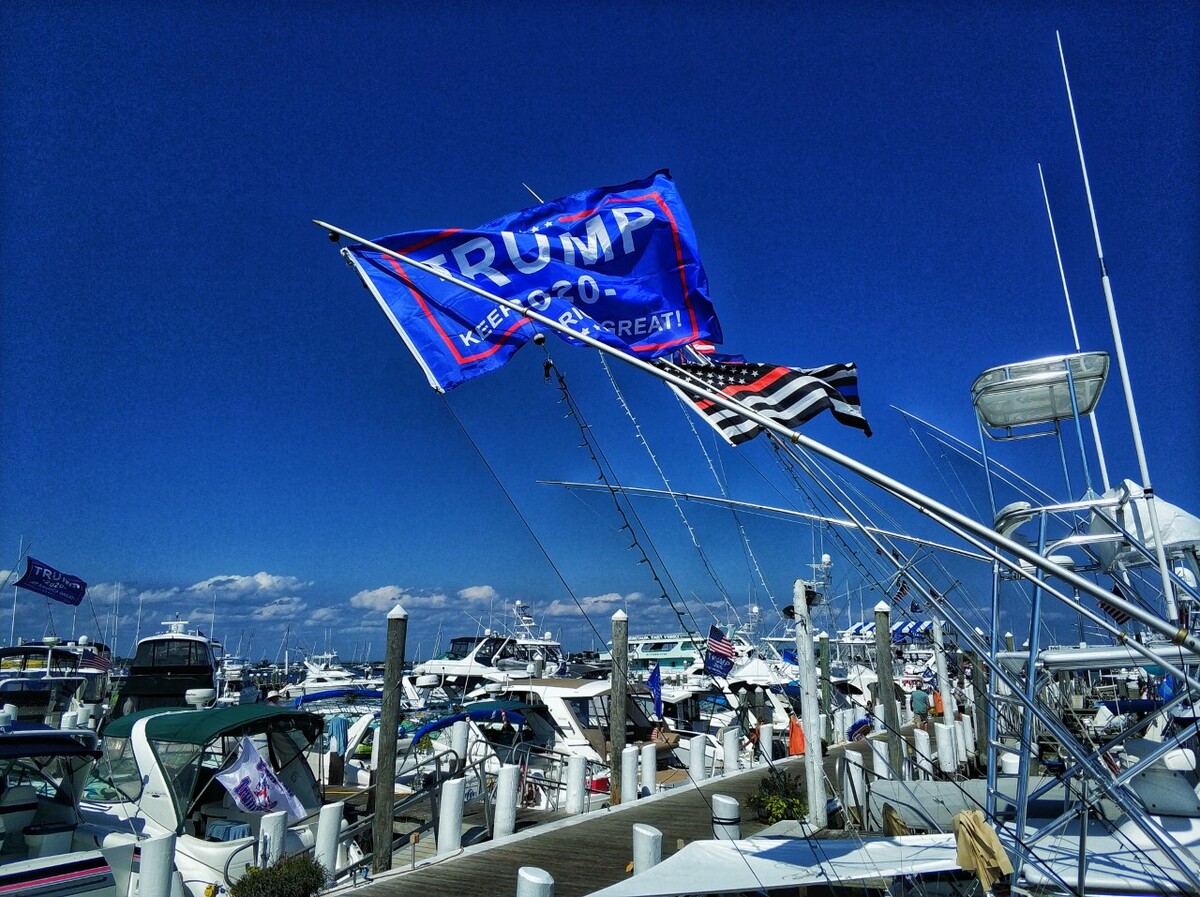
Foto di Alessandro Casiraghi, Trump boat rally in Block Island, Rhode Island[:]