[:it]
Dacia Maraini remembers Mariasilvia Spolato
Conversation by Cristina Rubegni
Pescasseroli, August 2020
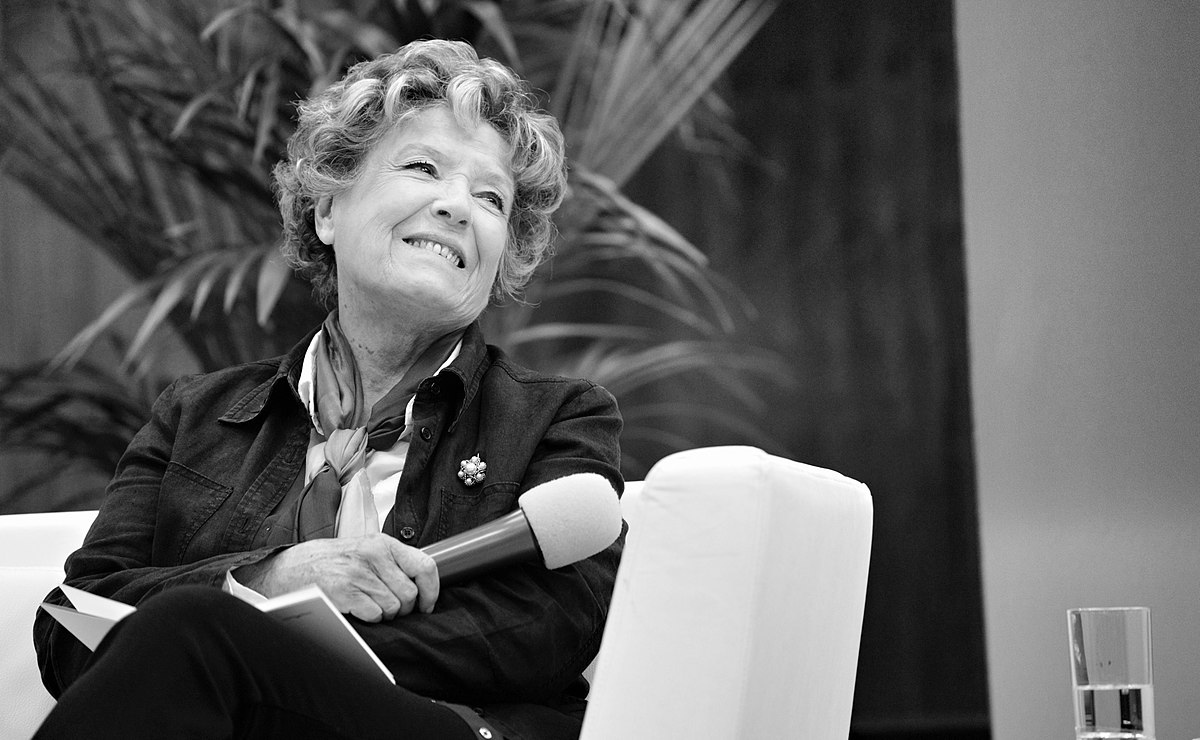
We are here in Pescasseroli, in the heart of the Abruzzo, Lazio, and Molise National Park. I was fortunate enough to meet a truly special person with whom I share a love for this land, and I interviewed her for Arcigay's Transfeminist Women's Network.
The Network is an open space for reflection and discussion, a collective of Arcigay activists: lesbian, bisexual, trans, asexual, heterosexual, queer, intersex, non-binary, and gender-nonconforming women. We offer a transfeminist feminist perspective, promote women's visibility and self-determination, and have built a safe space for feminist theory and practice.
This special meeting features Dacia Maraini, a great writer, poet, and essayist, translated throughout the world and a leading voice in Italian culture.
Dacia Maraini wrote “Sexual Racism,” the preface to the 1972 book “Homosexual Liberation Movements” by Mariasilvia Spolato.
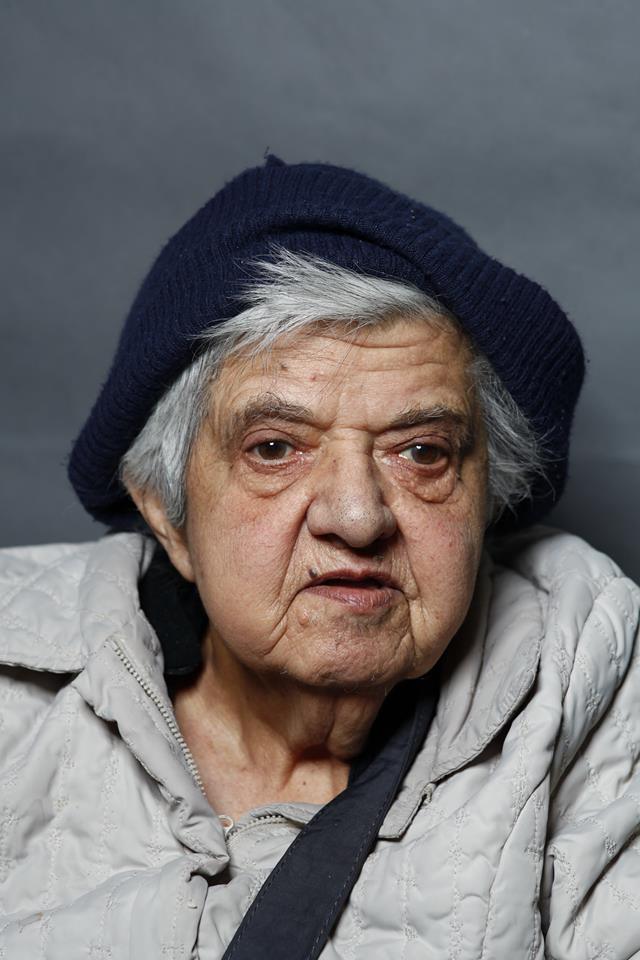
When we talk about the history of the LGBT movement in Italy, we always focus on this figure who is very dear to us. Mariasilvia Spolato was the founder of FUORI and a key figure in the first moment of protest by the gay community in Italy.
On March 8, 1972, in Campo dei Fiori, Mariasilvia made the first act of lesbian visibility in an Italian square, carrying a sign that read ’Homosexual Liberation“—a historic gesture.
The photograph ended up in the newspaper, and she was fired for being "unworthy of teaching" and disowned by her family. She spent many years wandering from city to city and, unlike her male companions, fell into oblivion for decades. She paid a high price for her visibility; she died in a nursing home in 2018. In 2019, Asterisco Edizioni republished the book "I movimenti omosessuali di libertà" (The Homosexual Liberation Movements), an important collection of early documents from the liberation movements.
In 1972, Mariasilvia Spolato herself asked you to write the preface. How did that go? Can you give us a personal recollection?
I met Maria Silvia during the occupation of the Women's House. She was tenacious and courageous, generous and shy at the same time. She had the courage of the timid and the purity of the idealist. When she asked me to write the preface for her book, which exuded enthusiasm and passion, I said yes.
It gave me a chance to rethink sexual roles and gender conventions.
We speak as much as possible about this woman, who has been forgotten for so long, because we are aware of the shoulders of giants on which we stand and we feel profound gratitude. Doesn't it seem emblematic of the invisibility of women in history that the sole female founder of the first gay movement has been forgotten for so long?
The commercial society we live in seeks to erase memory because it is considered annoying, tiring, and useless. Yet, memory is our conscience, as Bergson says, and we must cherish it. Furthermore, it must be said that the memory of women is systematically erased. And this has been happening for centuries. Women are considered unoriginal in their thoughts and lacking in authority in their words.
As activists, we carry heavy signs every day. When we're tired, there's always a comrade beside us, and others arrive. Mariasilvia Spolato was the first to carry that sign, and to carry it alone. I wonder, and I ask her, how much courage it took? I'm very interested in the relationship between courage, purity, and recklessness.
As I said, Mariasilvia was courageous and should be remembered as an example in an era of widespread conformism. I don't think her courage was born of recklessness. She knew full well that she would encounter more or less overt and aggressive hostility, but she did so because she believed in her ideas and wanted to share them, free from fear and social shyness.
In one of her last interviews, Mariasilvia Spolato said, "I was tired of wandering, but until now I'd never had the chance to stop, to leave the past behind. And then, I was always afraid of no longer being free. And yet I want to be free." What lesson do you think Mariasilvia Spolato leaves our young activists?
Mariasilvia speaks of freedom, but certainly not of selfishly doing what we please. Hers is a dream of shared freedom, a freedom that involves changing old ways of thinking and acting. I'm glad you're bringing her back to the public eye. Maria Silvia is truly one of those people worth remembering and taking as a role model. We can't waste our time criticizing and criticizing the bad examples that constantly crop up in the news. We desperately need positive role models. and she is.
[:]