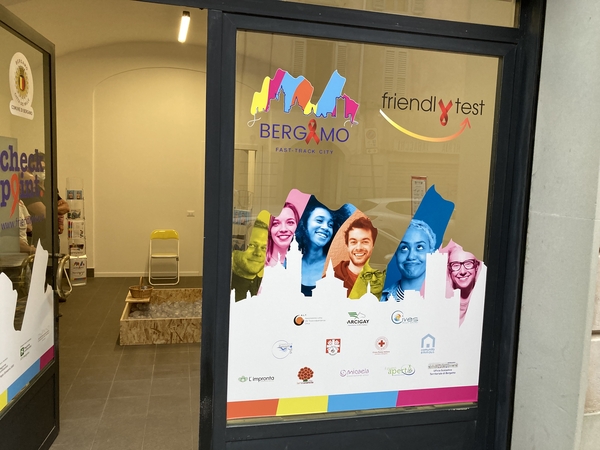

HIV, A NEW CHECKPOINT IN BERGAMO, THE THIRD IN ITALY. ARCIGAY: "AN IMPORTANT ACT TOWARDS AN EPIDEMIC THAT HAS NEVER BEEN DEFEATED."
Bologna, June 18, 2019 – On Wednesday, June 17, the Bergamo Check Point began operations in Bergamo. This facility, established by the city administration in collaboration with numerous organizations, offers free and anonymous HIV testing every Wednesday. The Bergamo Check Point is the third active in Italy, after Bologna and Milan, and is an out-of-hospital facility dedicated to HIV screening and sexual health promotion. "In times of renewed awareness of public health," commented Gabriele Piazzoni, Secretary General of Arcigay, "yesterday's inauguration has a special significance, which is important to emphasize. HIV is a virus we have been fighting for nearly 40 years with blunt and ineffective weapons. Although scientific progress in this field is remarkable and current treatments guarantee a good quality of life for people with HIV, we are far from even being ahead in this battle. Actions like these demonstrate a concrete desire to do more, and therefore should undoubtedly be welcomed with enthusiasm, especially when they come from areas like Bergamo, a city hit hard by the coronavirus pandemic." "The city of Bergamo," adds Marco Arlati, president of Arcigay Bergamo Cives, "is the second in Italy after Milan and the fortieth in Europe to sign the Fast Track City project. This is such an important milestone for all the associations and organizations that, together with Arcigay Bergamo Cives, will develop and make this project a reality. Cives was founded 13 years ago on two fundamental pillars: the first is the fight against HIV and the dissemination of best practices in sexual health; the second is to be a point of reference for all those who feel alone in the Bergamo area. We are all affected by HIV and we must fight against the stigma of HIV-positive people," he concludes.