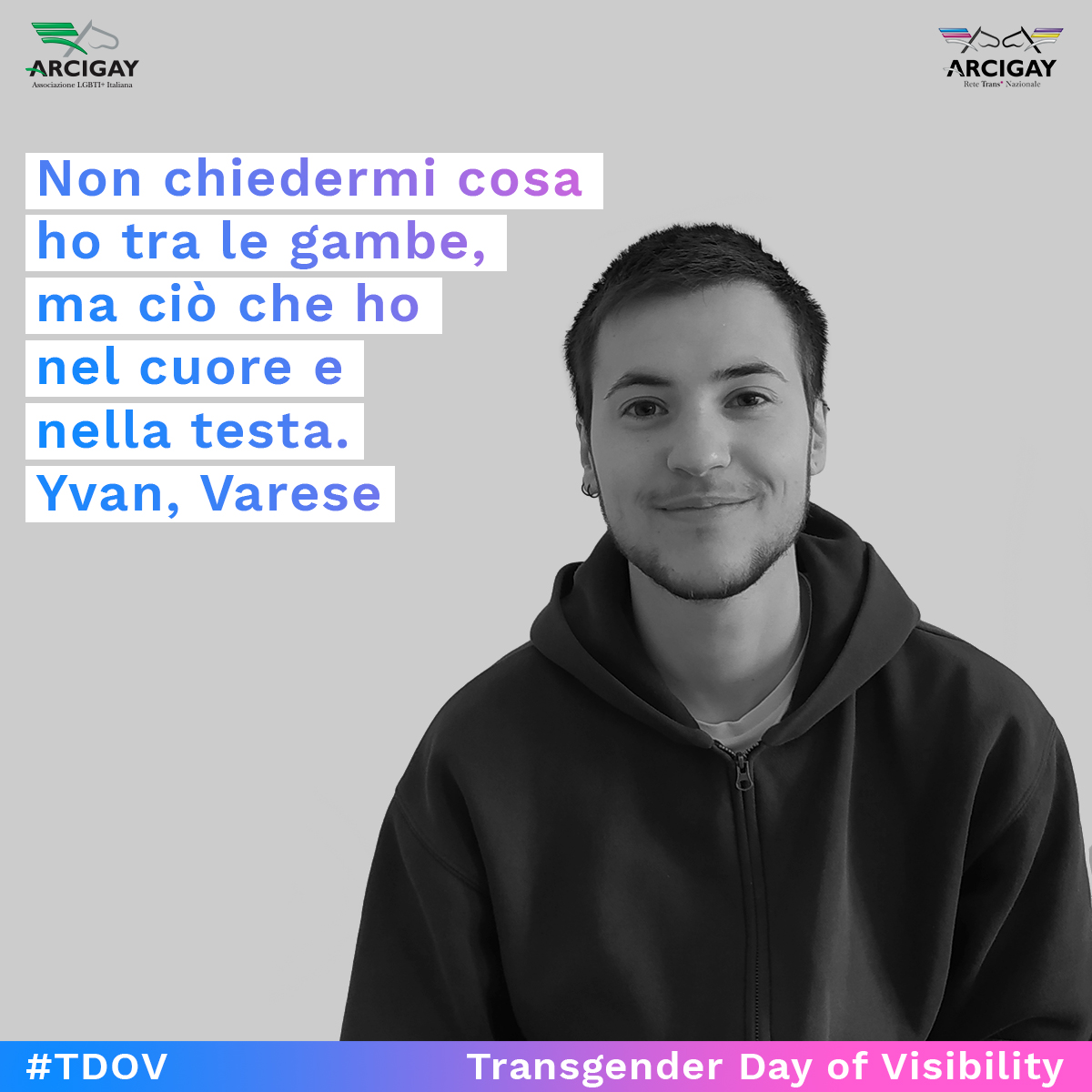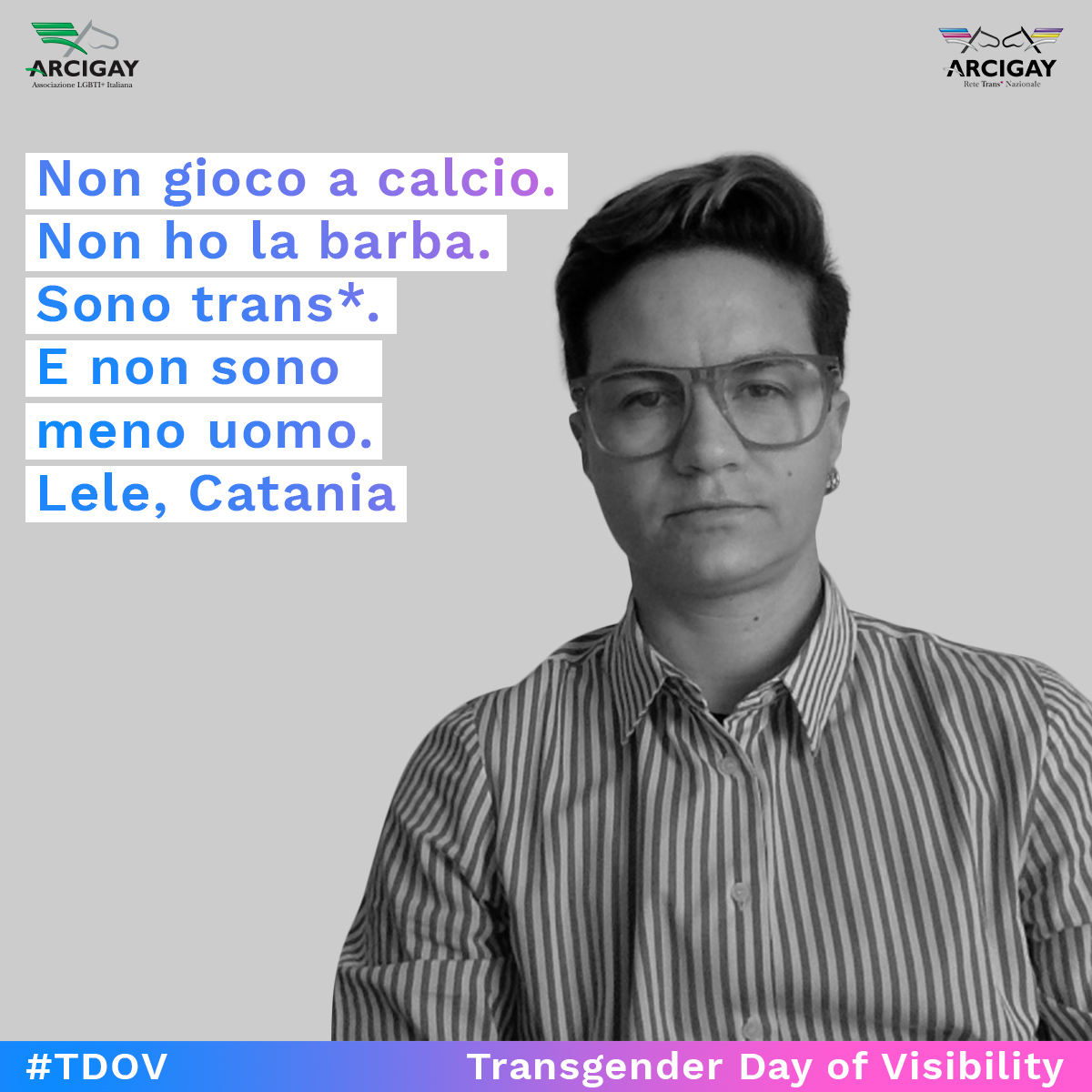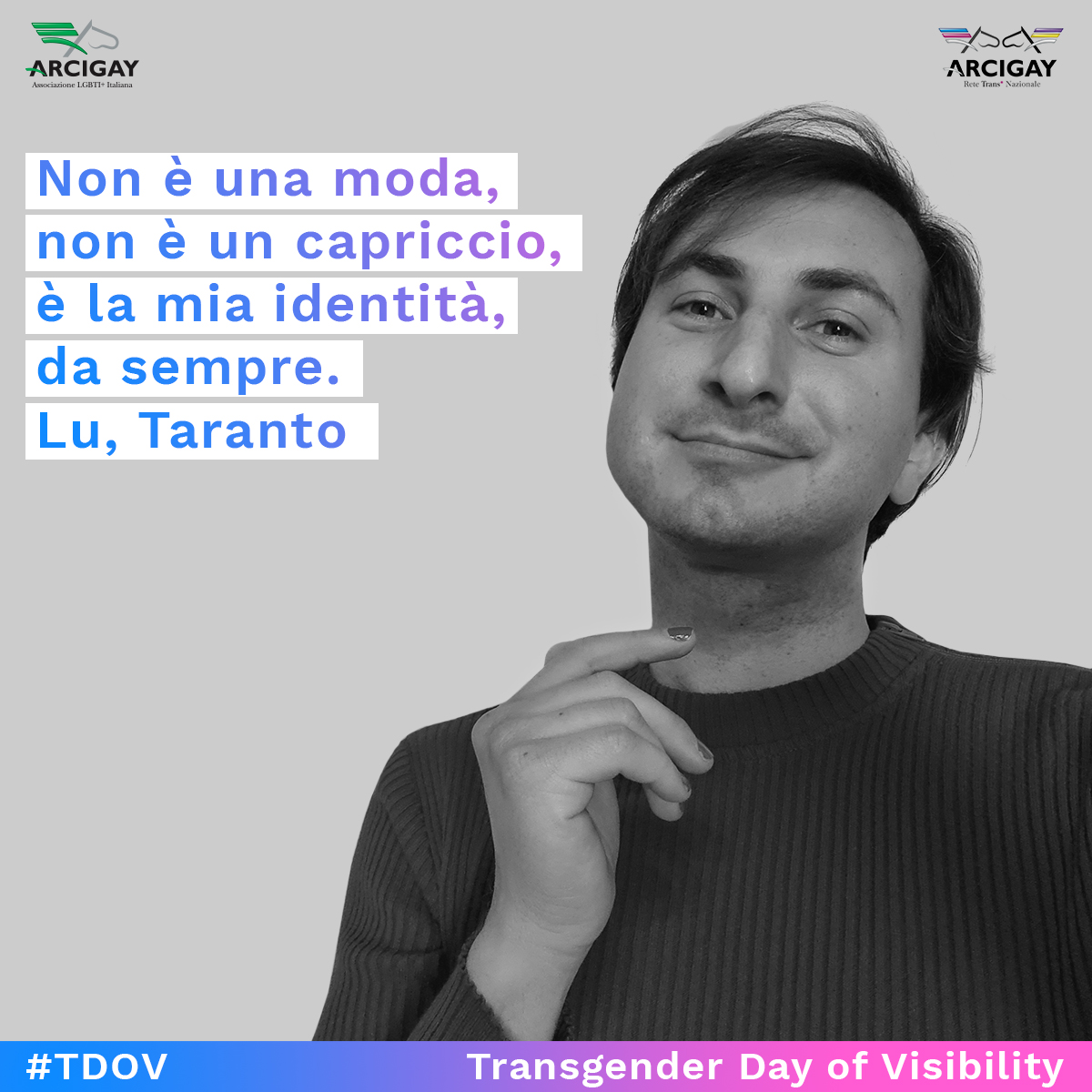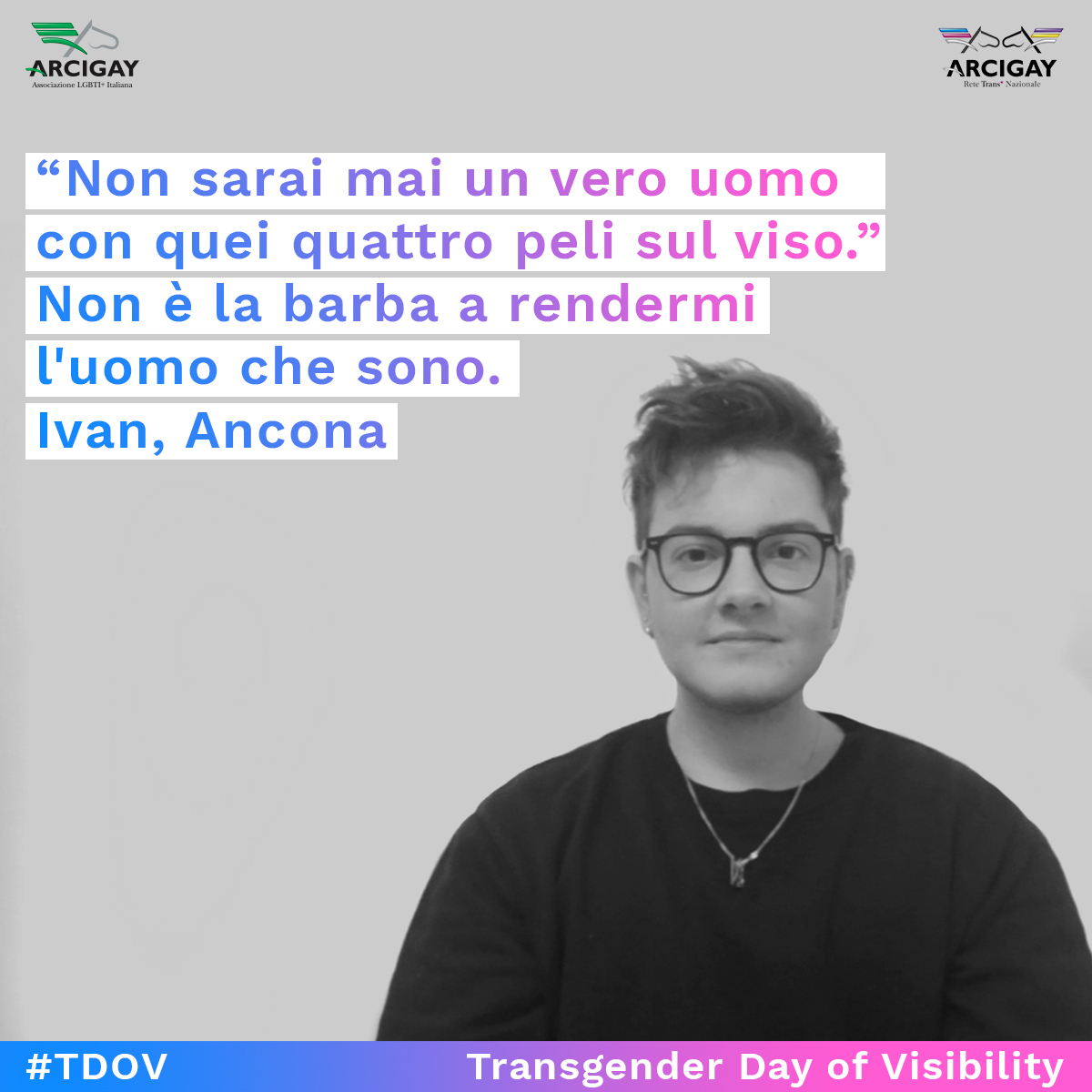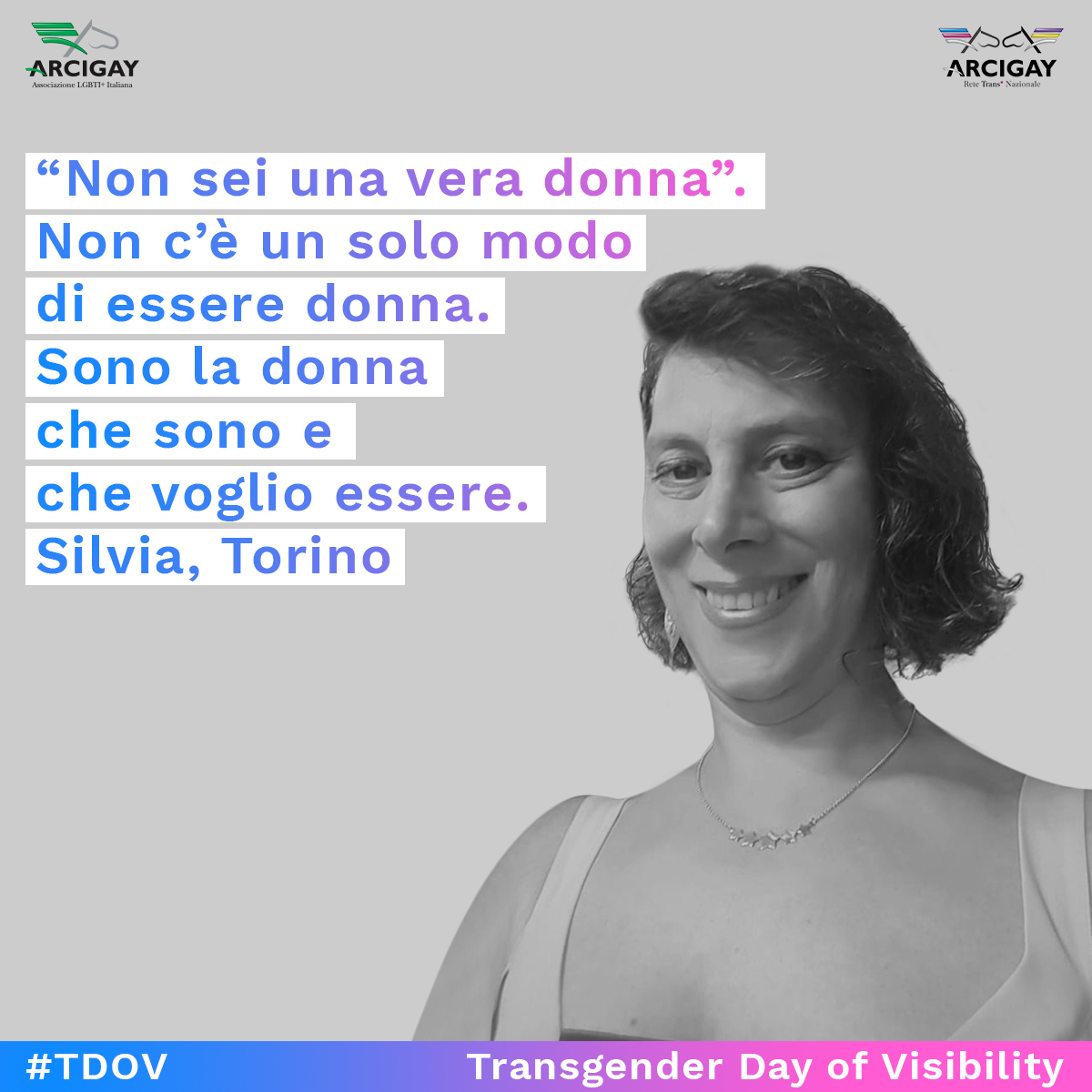
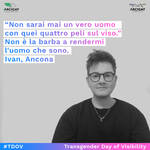
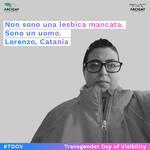
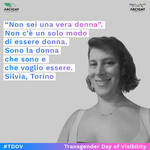
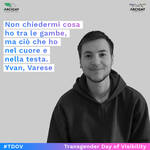
Visibility VS Stereotypes is the social campaign conceived and created by Arcigay National Trans* Network on the occasion of the International Transgender Day of Visibility (TDOV), An event dedicated to raising awareness about discrimination against transgender people around the world. Christian, Laura, Betta, Lu, Eris, Lele, Ivan, Lorenzo, Silvia, and Yvan are trans* and non-binary people who share some of the stereotypes and prejudices they've faced. Their visibility is the most effective response to the discrimination and violence they experience because of these same stereotypes and prejudices, but it's also the best way to deconstruct and overturn them.
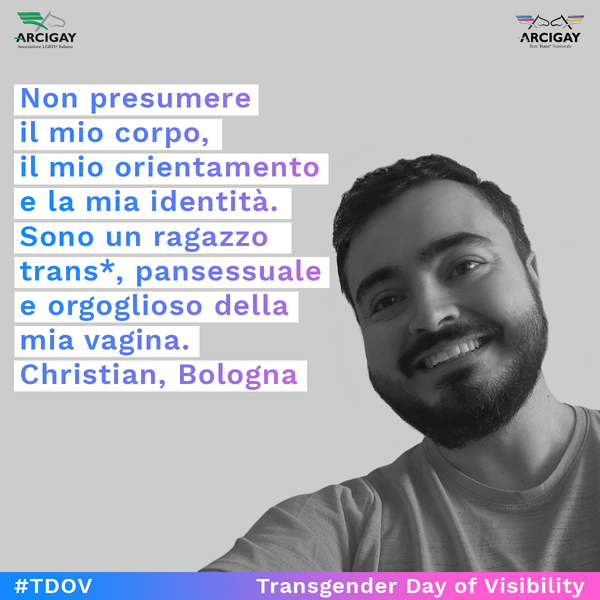
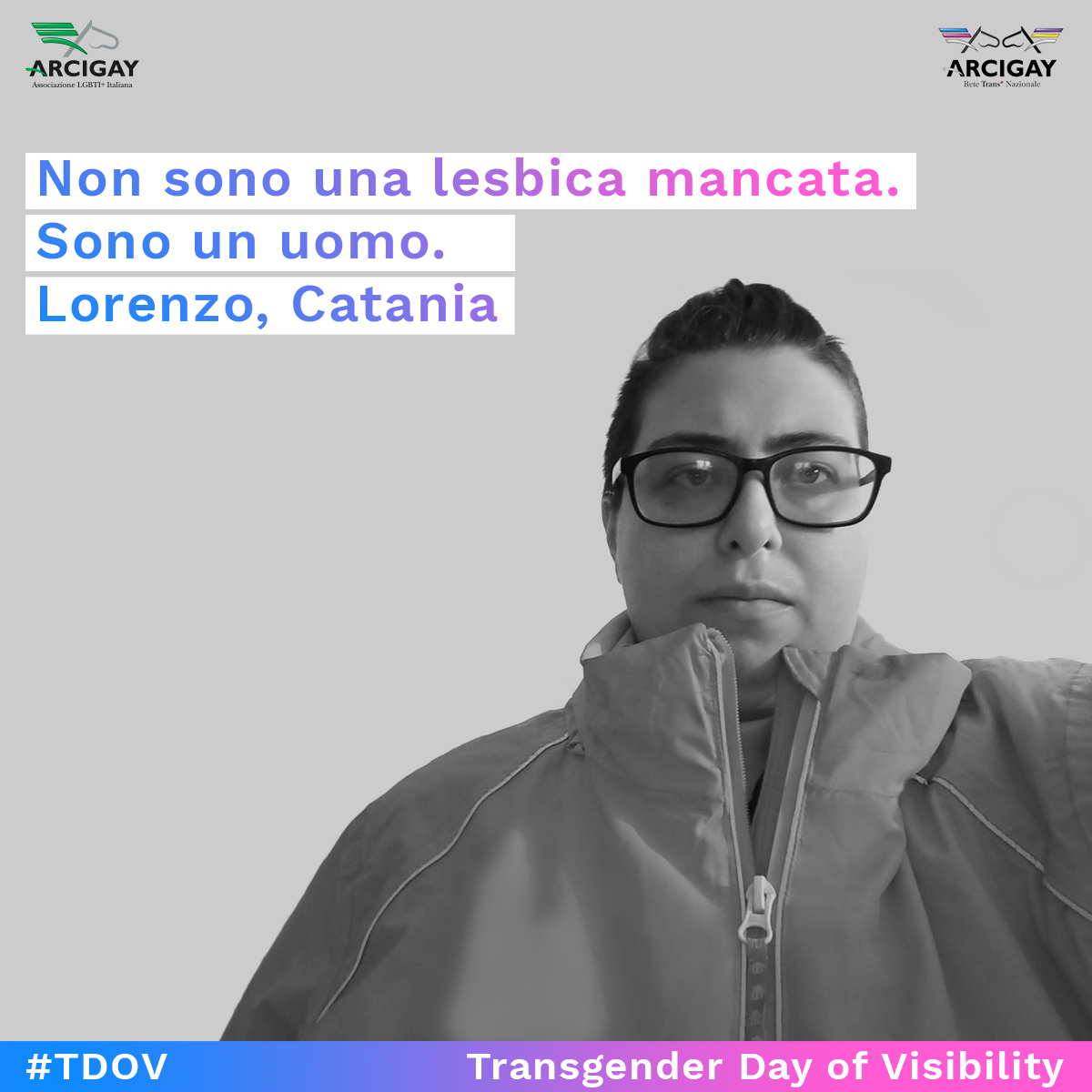
Gender identity (self-perception) and sexual orientation (to whom one feels attracted) are two unrelated aspects of sexual identity. Trans* people, like everyone else, can have different sexual orientations and identify as lesbian, gay, straight, bisexual, pansexual, or asexual. One of the prejudices that most affects trans* people is assuming their sexual orientation based on appearance. For example, it's assumed that a trans man is attracted to women, thus confusing gender identity with sexual orientation, almost as if a trans* person's gender affirmation journey is determined by someone's attraction and not by reasons related to their own identity.
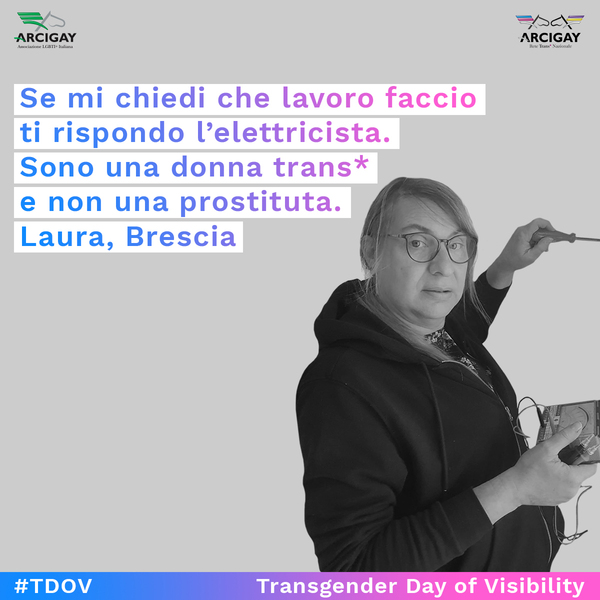
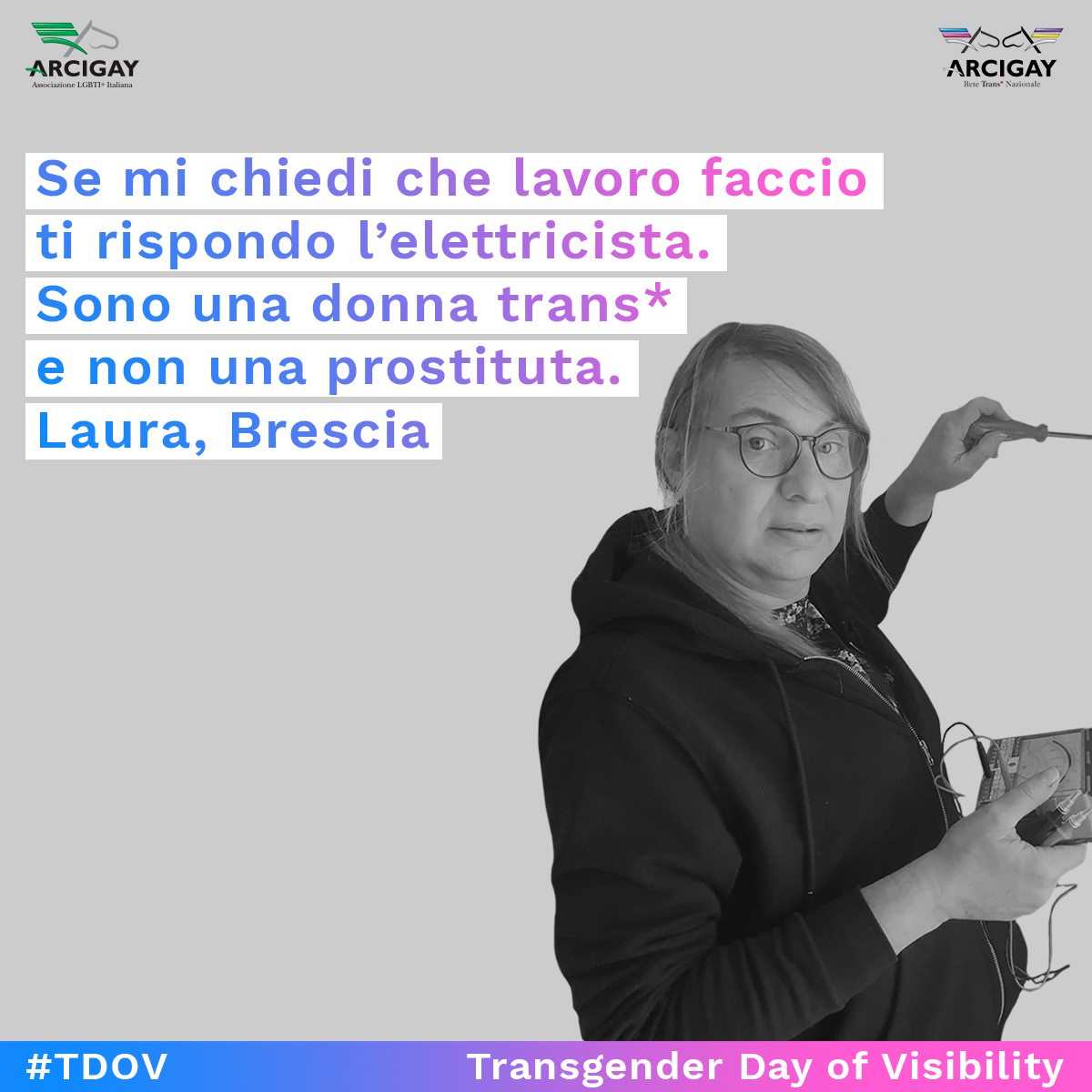
Being a trans woman doesn't necessarily mean being a prostitute. Trans* people have career dreams and aspirations like everyone else, but often, due to uncorrected documents or a physical appearance that doesn't conform to society's expectations, they find it difficult to enter the workforce, as they aren't valued for who they are: people with skills. Trans* people who engage in sex work (when it's their choice and there's no exploitation) have the right to protection and respect.
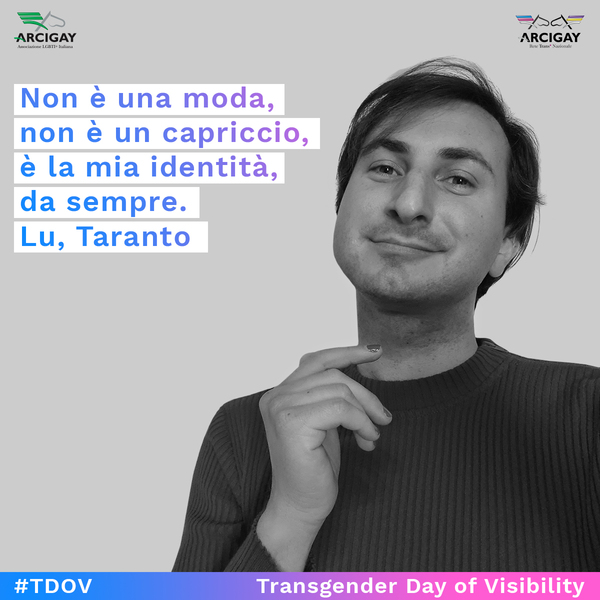
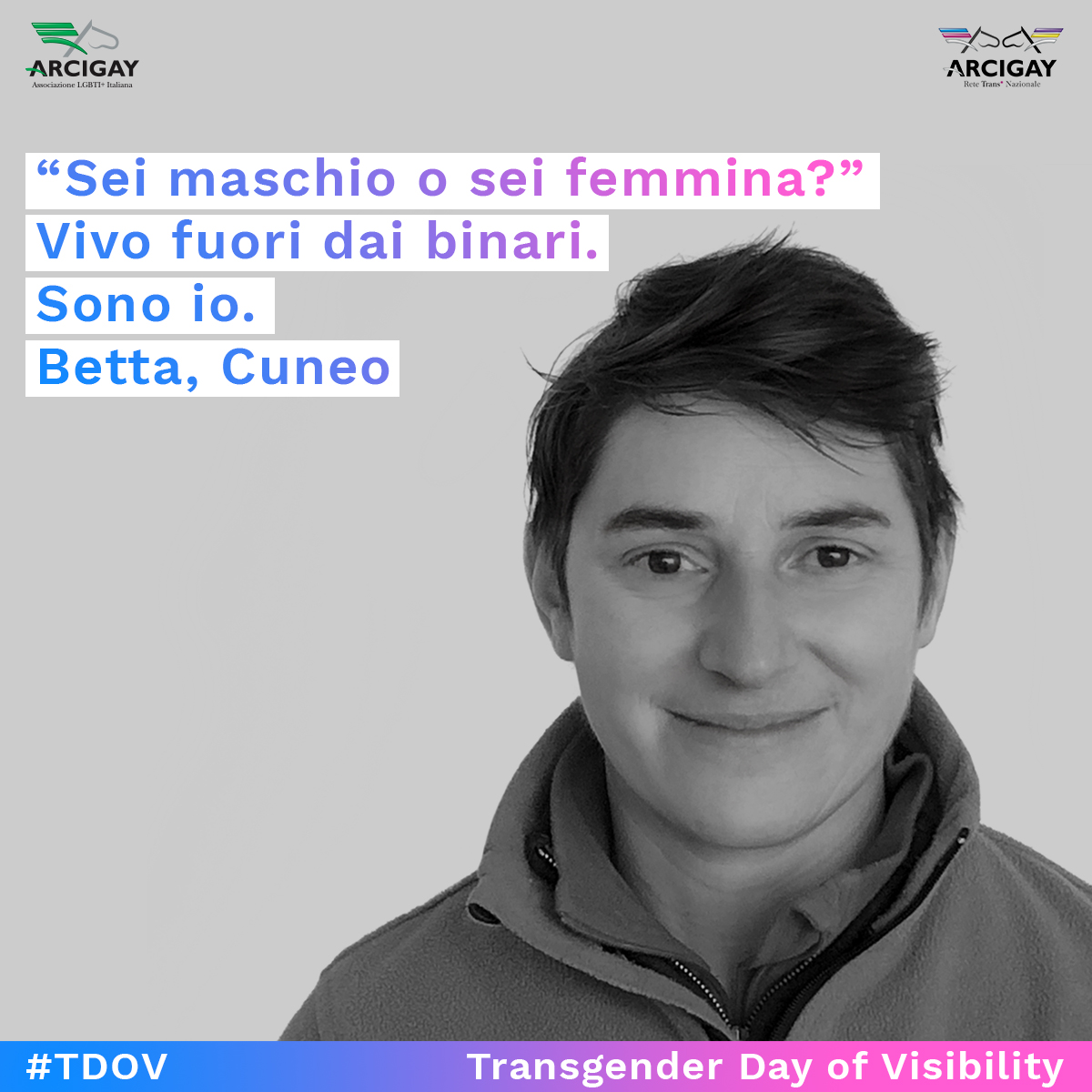
Greater knowledge leads to greater self-awareness, which is why non-binary identities have been increasingly gaining ground in recent years. Some call them a fad or a whim: is this really true? Non-binary people have always existed, even when Western culture lacked the words to describe themselves and their identities. There are at least 10 cultures in the world that recognize gender non-binaryism: in Indonesia, for example, the Bugis ethnic population (approximately 3 million people) recognizes five genders, including the Bissu people, whose identities are a blend of feminine and masculine. Cultures that accept non-binary people can be found in Samoa, Mexico, India, Native American cultures, Madagascar, and Hawaii. So it's not a fad, but rather identities that have always existed and now, rightfully, demand recognition.
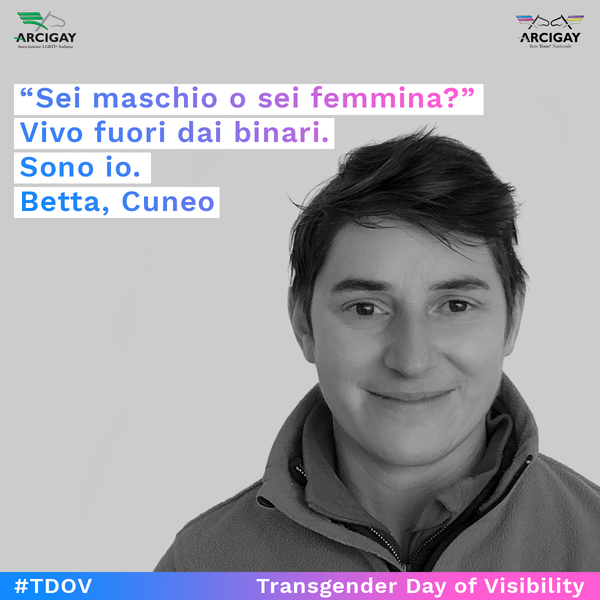
When we talk about non-binary people, we mean all those who do not recognize their gender identity within the gender binary; that is, we are talking about people who are not completely masculine or feminine. Very often, their identities are made invisible and reduced to effeminate males or masculine women, because they are interpreted through a binary lens that they themselves do not recognize due to their own subjectivities. The English equivalents nonbinary (non-binary), genderqueer, or enby are often used. Some non-binary people can identify with both binary genders. In this case, we are talking about bigender or genderfree people. If they do not identify with either gender, they are called agender people. If their identities oscillate between masculine and feminine, we are talking about genderfluid people.
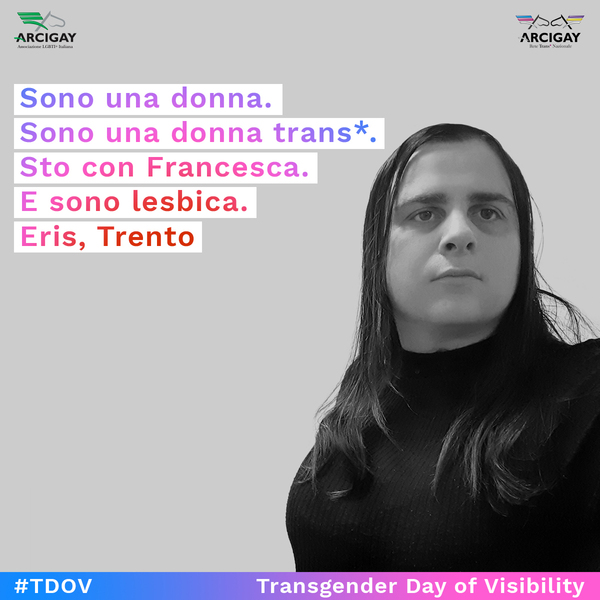
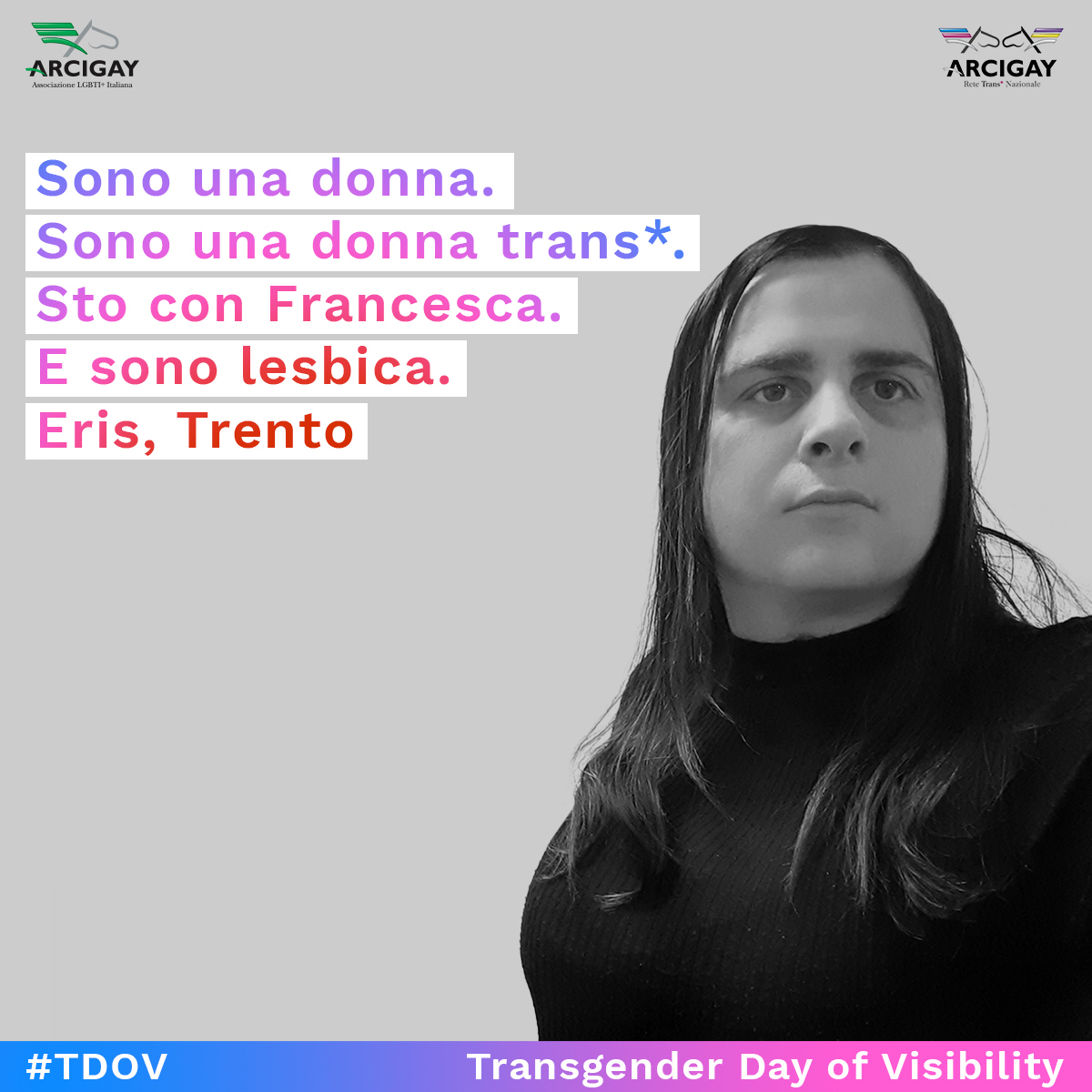
Gender identity and sexual orientation are two distinct things. Trans* lesbian women experience a double stigma because they are women. One is that they are assumed to be heterosexual, invalidating their sexual orientation and subjecting them to the same stigma that affects their cisgender lesbian sisters. This discrimination has its roots in the past and is tied to women as objects of pleasure for men and to the reproductive role assigned to them. The second, similar and parallel, prejudice is asking a trans* lesbian woman why she transitioned because she likes women: "Wouldn't it have been more comfortable to remain a heterosexual man?" They are two sides of the same coin. But if previously a woman's lesbian orientation was questioned, this prejudice invalidates her identity as women.
 |
 |
 |
 |
 |
The society we live in often imposes rigid standards on us regarding what is considered masculine and feminine. Being trans* doesn't necessarily mean wanting to conform to what the hetero-patriarchal society we live in expects of us. Every person should have the right to freely construct their own identity.
Our physical appearance, our genitals, are not what characterizes our identities, our people…
We are trans people, and our very existence breaks down every stereotype that society has imposed as a rigid norm for centuries. We are proud and we continue our fight.
As Laverne Cox says: "It's revolutionary for every trans person to choose to be seen and visible in a world that tells us we shouldn't exist."«
#VisibilityVStereotypes #TDOV2022