

[:it]
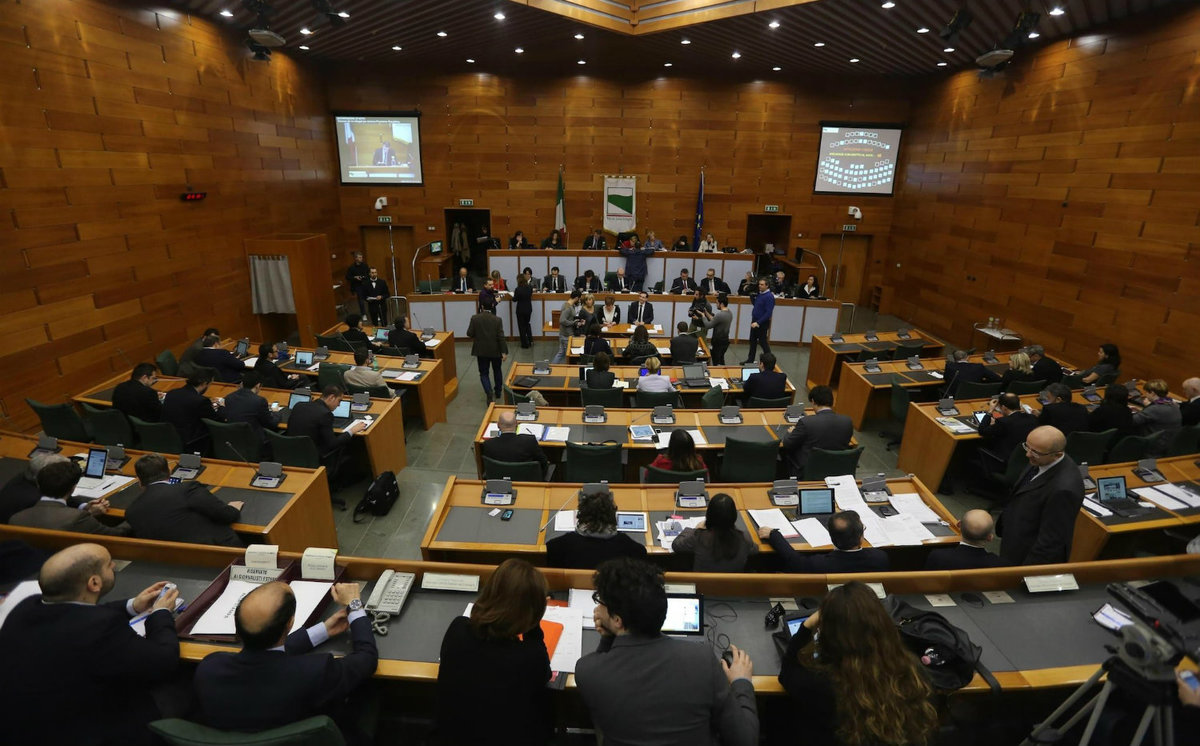
On July 27, after 39 hours of discussion, the Emilia-Romagna Region approved the "Regional law against discrimination and violence based on sexual orientation or gender identity.".
In summary, the law provides:
– interventions in the field of active labor market policies: training, professional development, social integration;
– activities and initiatives to support sports associations committed to promoting equal participation in sport, combating discriminatory stereotypes, and reducing dropout;
– the promotion and support of socio-cultural events that spread the culture of integration and non-discrimination, in order to raise awareness among citizens of respect for diversity and all sexual orientations or gender identities;
– monitoring discrimination and violence based on sexual orientation and gender identity.
A law that provides for affirmative action against discrimination, but also contains a superfluous and inappropriate article (Article 12) in a law on discrimination that amends Regional Law 6 of 2014 by referencing the provisions and prohibitions of Law 40 of 2004 regarding surrogacy, prohibiting any funding to associations that "perform, organize, and publicize surrogacy." This provision is superfluous precisely because it is already provided for in Law 40. Furthermore, dissemination, debate, and in-depth analysis of the topic do not fall within this category (also because they are protected by Article 21 of the Constitution), which is why no association has ever been prosecuted for these reasons.
A more complete objective assessment will obviously require waiting to see how the Region implements the law's provisions, especially regarding combating multiple discrimination (LGBT people: migrants, the elderly, people with disabilities, HIV-positive people, etc.). These discriminations are not specifically addressed in the law's text and are therefore subject to the decisions that will be made to implement the new legislation in the coming years.
The Regional Council's approval of the law is just the beginning. The key to fully understanding the law's impact will be how the Emilia-Romagna Region's administrative structure implements the positive provisions envisaged.