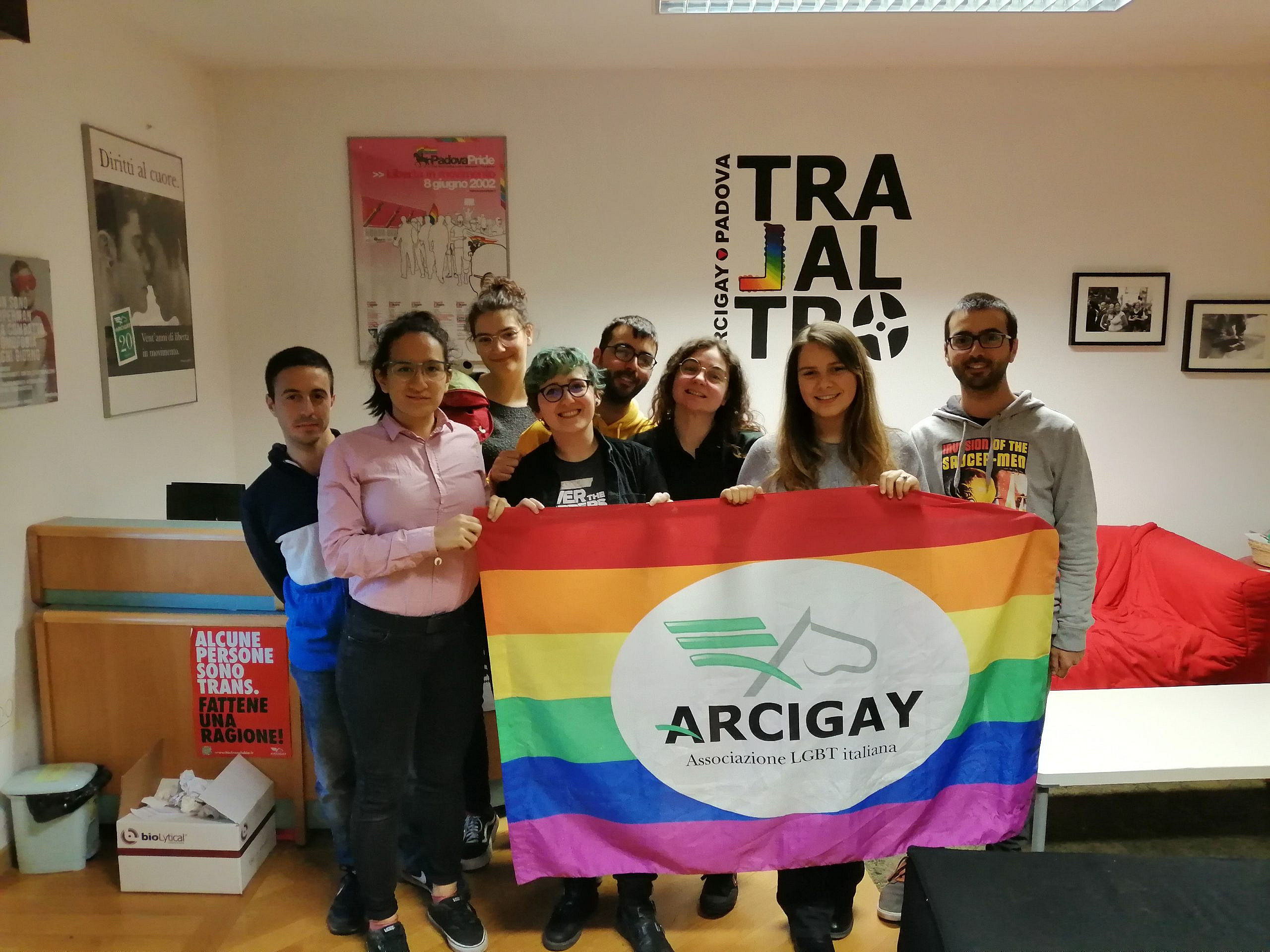
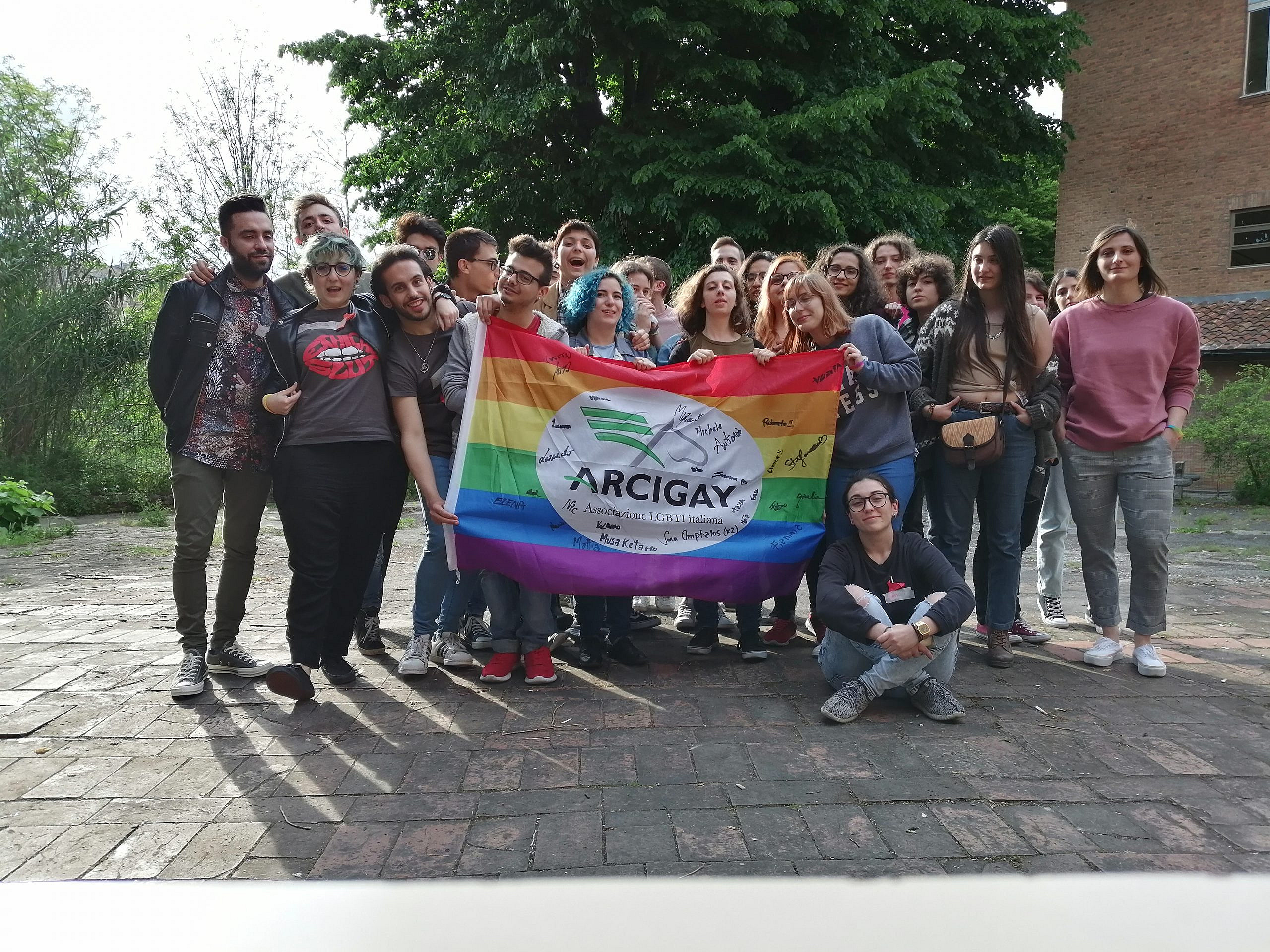
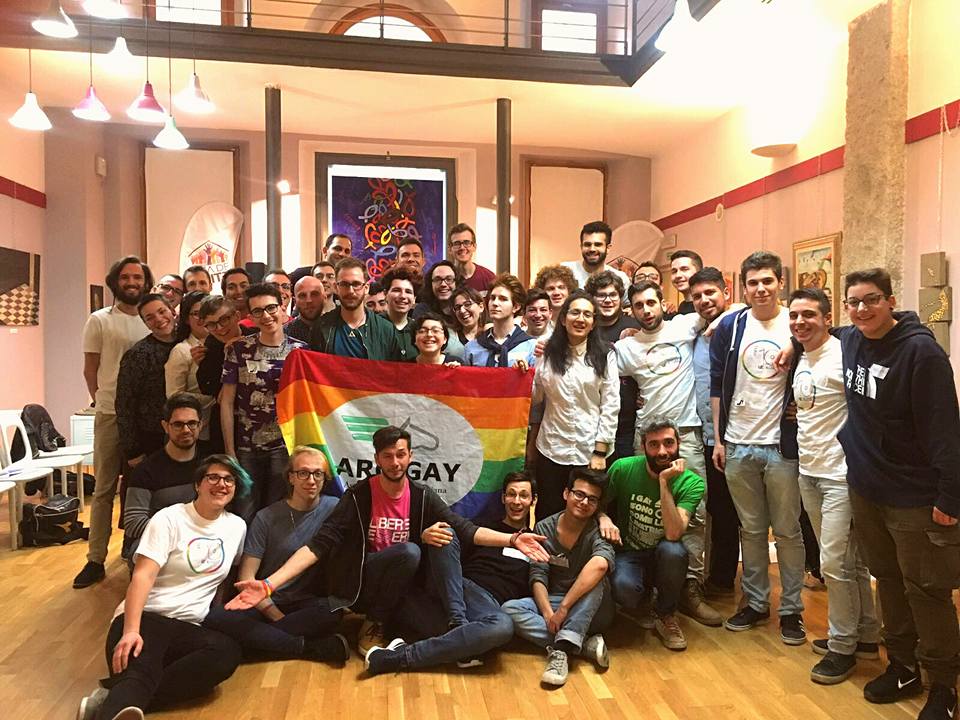
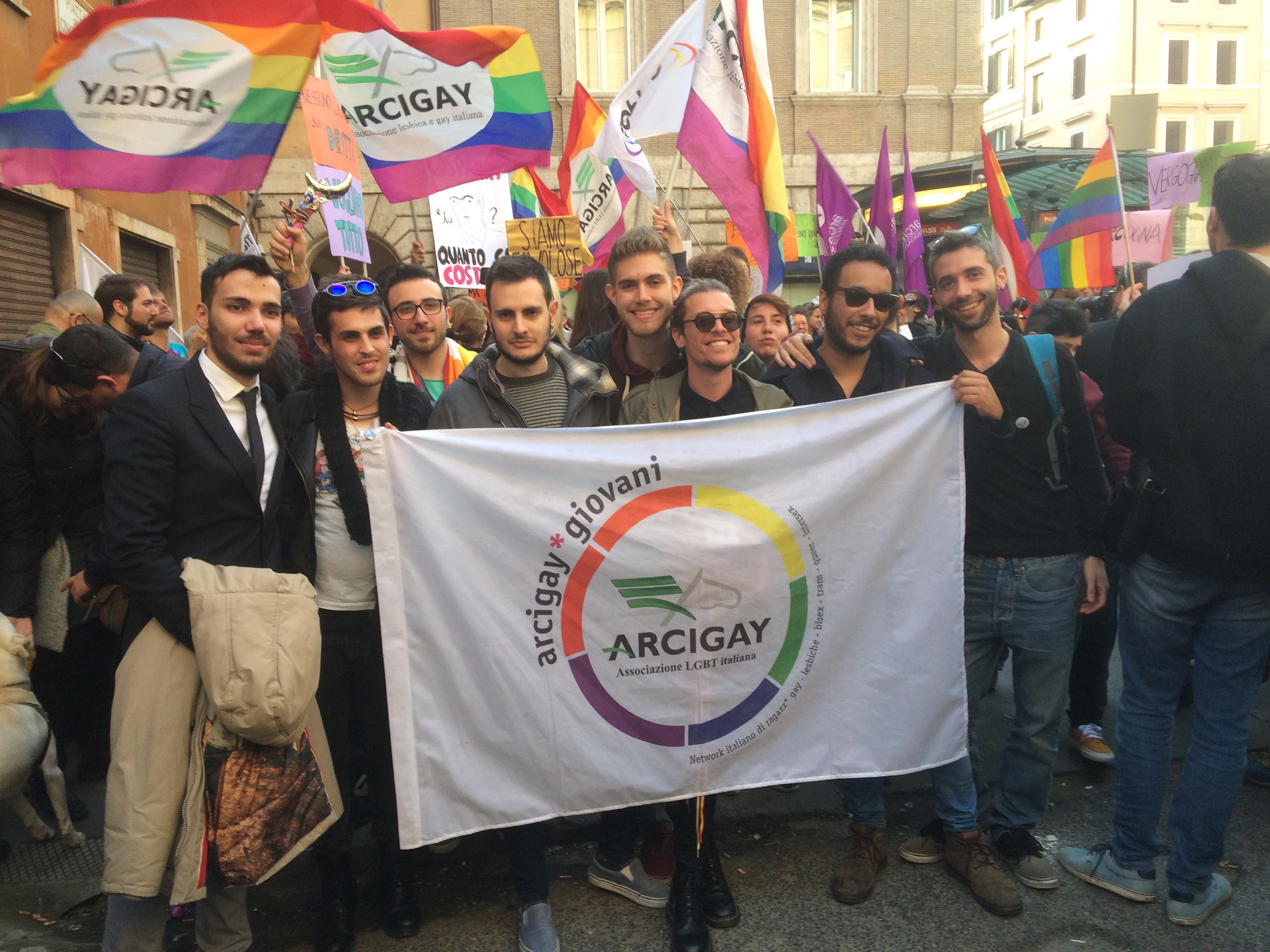
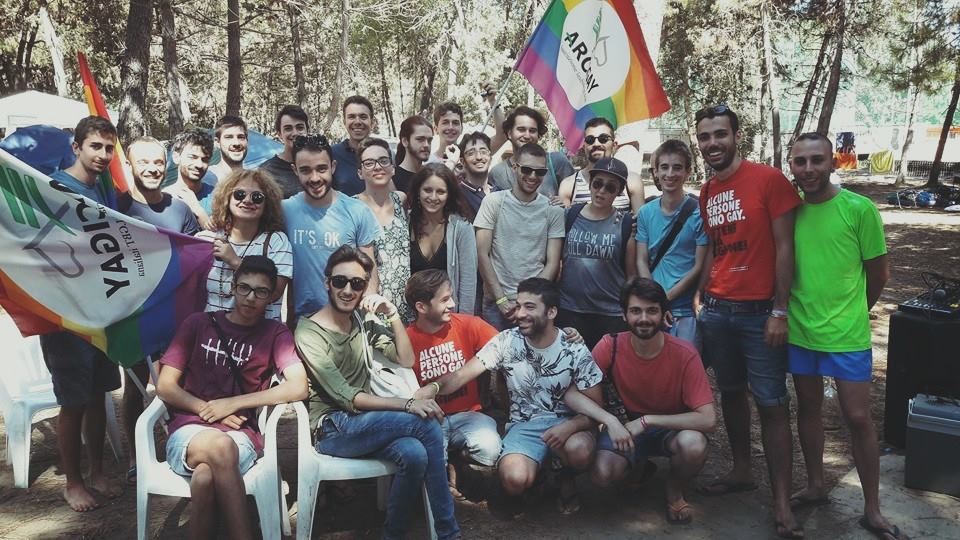
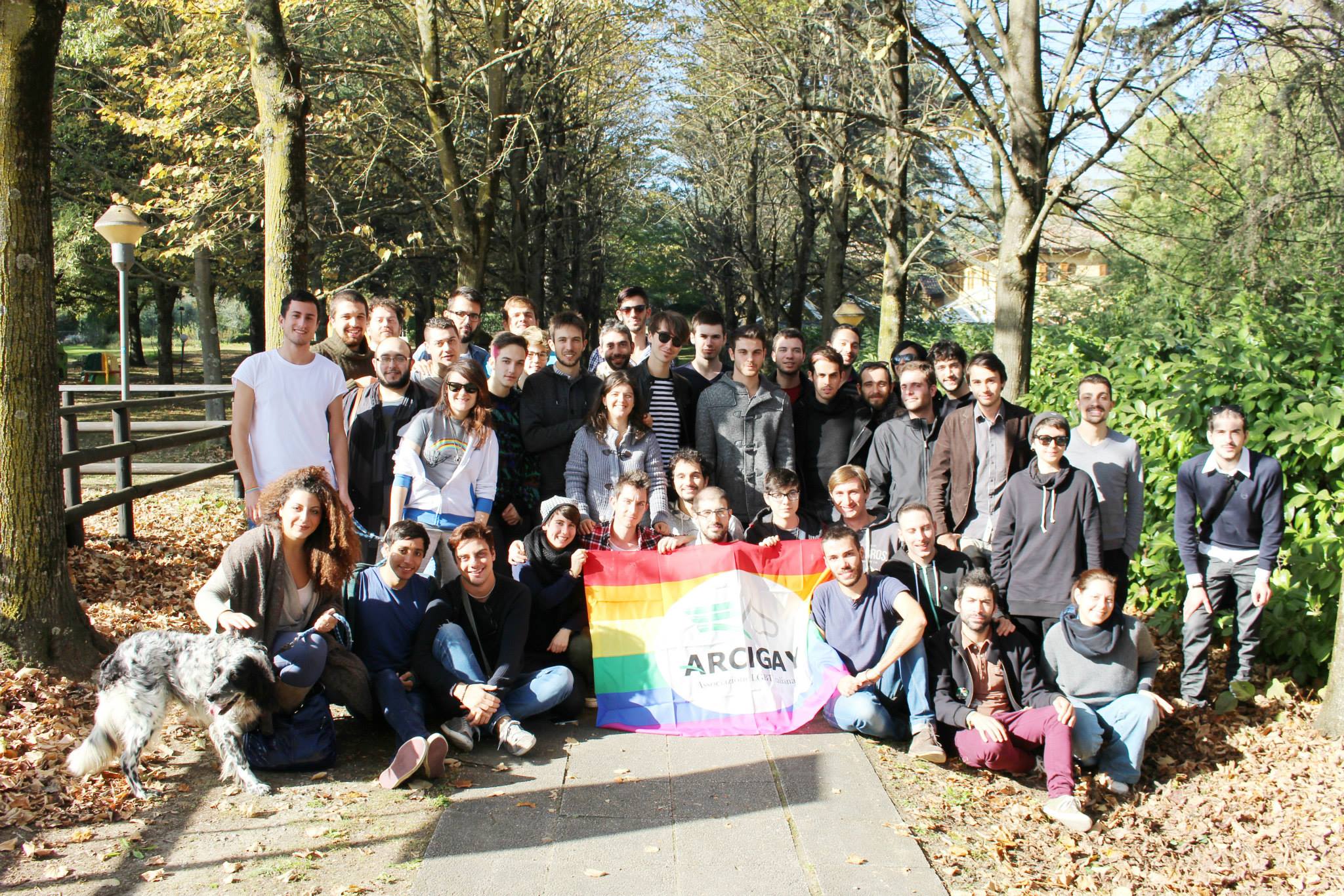
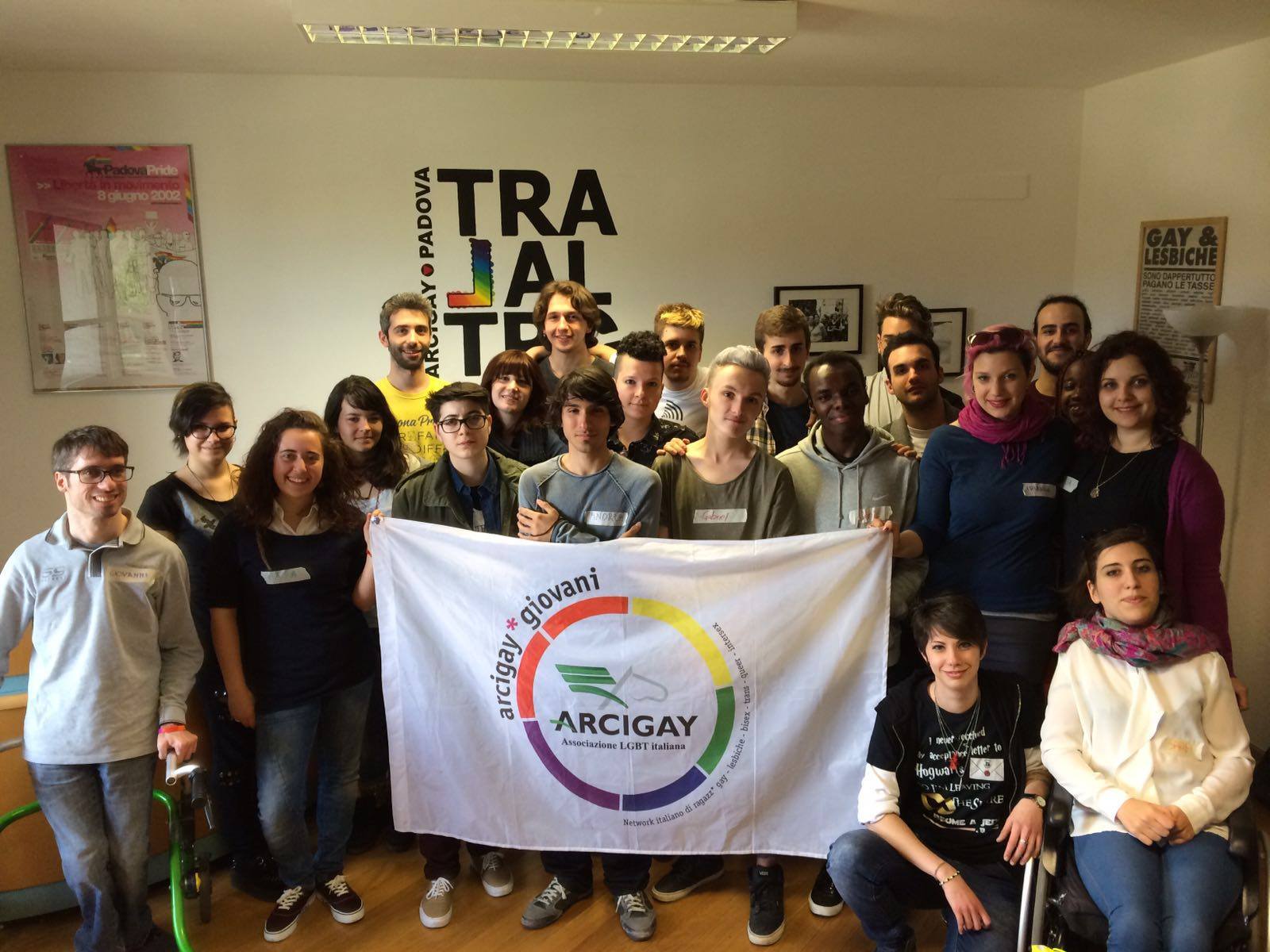
Since its founding, Arcigay has made giving voice and representation to the young LGBTQIA+ population one of its goals. Since 2005, with different visions and structures that have changed over time, it has been dealing with youth policies through the Arcigay Giovani network., officially recognized as an internal reality of the association during the XV congress. download the programmatic document ].
DISCOVER THE COORDINATION GROUP
The risk of exclusion for the young LGBTQIA+ population
A May 2020 report by the European Union Agency for Fundamental Rights (FRA) paints a poor picture of discrimination based on gender orientation and identity in Italy. Indeed, 62% of participants reported avoiding public displays of affection, and 30% reported frequently or always avoiding certain places for fear of being attacked. Only 39% of the Italian sample freely express their LGBT identity, compared to a European average of 47%. Furthermore, 32% of Italian participants reported experiencing at least one incident of harassment in the year preceding the survey, and 8% reported experiencing at least one incident of physical aggression in the previous five years. Worrying data are also found in the school environment, where 28% of Italian LGBT people between the ages of 15 and 17 reported having come out at school, while 52% found someone at school who always or often provided support and protection. (source: FRA – A long way to go for LGBTI equality; La Repubblica – LGBT and discrimination at the European level: the long road to equality)
The three key factors of exclusion for young people in general are above all: the difficult relationship between autonomy, independence and social integration; the fragile transition from school to work; the possibility of participating fully in social and political life as active citizens.. The link between autonomy and social integration becomes particularly important for the young LGBTQIA+ population, whose ability to fully live themselves and their lives is limited by the quality of relationships on which they still effectively depend. On the other hand, if the transition between school and work is already very difficult for young people, given youth unemployment figures across Europe, for the young LGBTQIA+ population the situation on the one hand aggravates an already difficult relationship with the aforementioned longed-for autonomy. On the other hand, the obstacles to educational and work development can be greater due to the impact that homo-lesbian-bi-transphobia has on their academic progress and their achievements, but more generally on their self-esteem and capacity for self-determination.
The typical risks of youth are compounded by all that complex of threats fuelled by homo-lesbian-bi-transphobia and by the "“minority stress”. In particular, the subtle impact of invisibility, the psychological distress in managing homo-lebo-bi-transphobia, and the risk of suicide characterize this stage of life for an LGBTQIA+ person, especially because they are still highly psychologically, economically, and socially dependent on others. The areas in which this occurs for LGBTQIA+ people are primarily three: school, family, and peers (friends, acquaintances of the same age).
The school
Arcigay is primarily involved in the school sector, working to combat and reduce the impact of homo-lesbian-bi-transphobia in schools, which can lead to school dropouts or difficult and unsatisfactory career paths for the individual. To learn more about Arcigay's work in this area, see section School. On the other hand, Arcigay Giovani has long been collaborating with student representation in schools with a dual goal: to build synergies with student organizations on LGBTQIA+ issues and to facilitate the visibility of LGBTQIA+ people within the student community.
The family
The family is another very critical area, being the place where the conditions of autonomy and the ability of young LGBTQIA+ people to live themselves and their own lives are actually determined.
The homo-lesbian-bi-transphobic climate in the family prevents and discourages self-expression and the “coming out” of their children, making them feel that extending credit to their parents is unnecessarily burdensome. Clichés and stereotypical misconceptions often underlie these reactions. Many transgender people also report the difficulty of a sort of double coming out, since often, before clarifying their gender identity, they believe their need is tied to their sexual orientation (and therefore identify as gay or lesbian).
Family rejection can in turn transform into a painful ordeal of self-rejection on the part of the young LGBTQIA+ person or into an equally tiring and painful "double life" strategy, particularly conditioned by limited autonomy. The result is often escape or expulsion from the family home, temporarily or permanently, and in general a now well-known impact on their general health, and psychological health in particular.
Peers (friends, acquaintances of the same age)
Friendship networks are often pre-selected over time, reducing the influence of strongly homophobic, lesbian, biphobic, and transphobic ones. But sometimes this isn't enough, especially when coming out. If they face rejection, young LGBTQIA+ people respond by engaging in a laborious but sometimes effective form of informal education, helping their friends overcome the stereotypes with which they've always viewed the world, given their lack of experience with the lives and realities of LGBTQIA+ people. More often, however, they must respond by restructuring their friendship networks, sometimes out of choice and necessity to create a non-hostile environment, other times not by choice but simply because they lose friends who don't accept them. On the one hand, this means that the circle of "true friendships" they were accustomed to is narrowed, but on the other, it also means that they can create new ones by broadening their network to include those who aren't prejudiced or are able to move beyond, or by gradually entering new networks of other young LGBTQIA+ people. The risk, at this stage, is that this entire tiring process will instead lead to a sense of isolation.
This is one of the reasons Arcigay Giovani focuses so much on youth meetings, because rebuilding one's friendship and peer networks often involves finding places where one can finally be oneself with others one's own age who share one's experiences as LGBTQIA+ people.
The Arcigay Giovani network: a space for youth citizenship within and outside the association
In almost every city where it operates, the association seeks to establish youth groups made up of members under 28, who coordinate them. Arcigay Giovani, in turn, is a national coordination body for local youth groups and its primary task is to facilitate communication and internal collaboration among members under 28. Young people represent a fundamental resource for the association as a whole and are one of its most active members.
Arcigay Giovani, both at a local level (through youth groups) and at a national level (as a network with its own practices and policies) seeks to respond to two needs:
- create an internal meeting space, of empowerment and citizenship for the young people of the association, where you can get support in your growth journey as an LGBTQIA+ person, get to know each other and create friendly networks, discuss or have fun, define the association's youth policies and represent their specific needs;
- bringing LGBTQIA+ specificity to the youth world, university and youth policies in various fields: Arcigay Giovani aims to improve the presence and representation of LGBTQIA+ in the world of student and youth associations and in universities. (with a specific focus on university inclusion policies, such as the dual student ID card for transgender people), and in local and national institutions dealing with youth policies (bringing LGBTQIA+ issues to the National Youth Council).
Such initiatives are essential because LGBTQIA+ people under 28 are exposed to risk factors that can lead to a negative self-perception.
Programs and projects
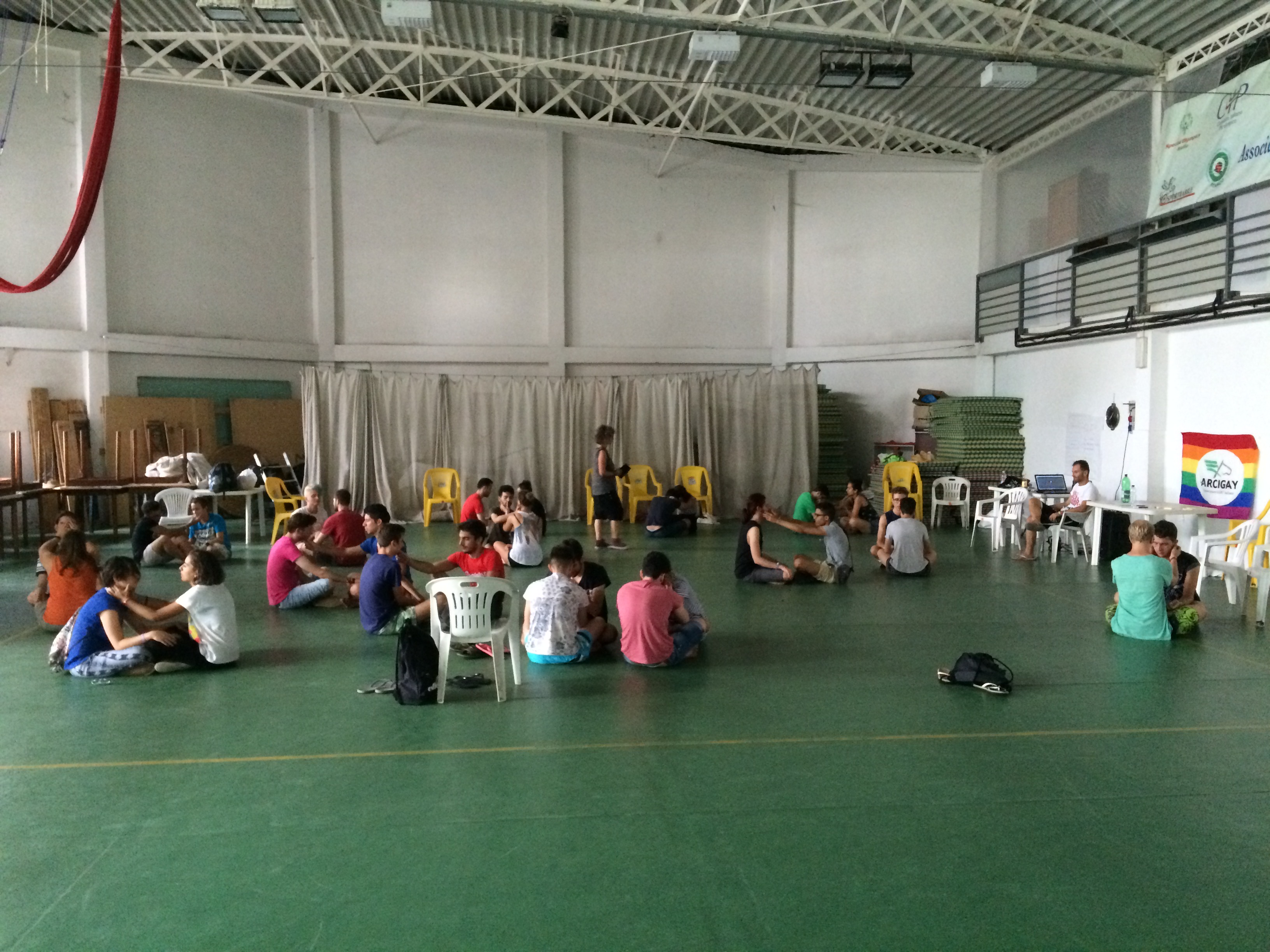
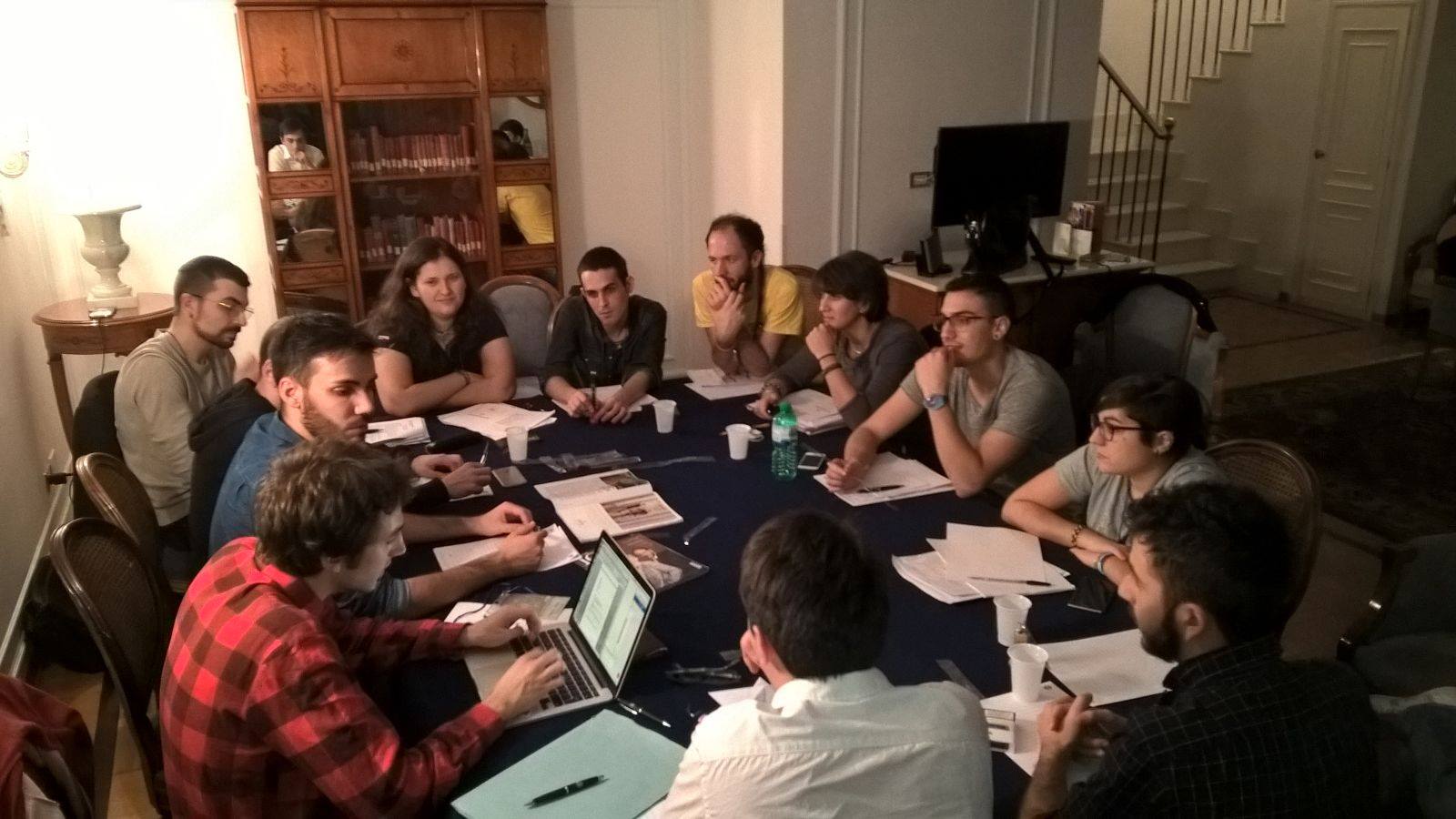
Agora: Agorà is a residential space for development and discussion within the Arcigay Youth Network which is held annually, to bring together young men and women under 28 on the association's youth policies and the needs of local youth groups.
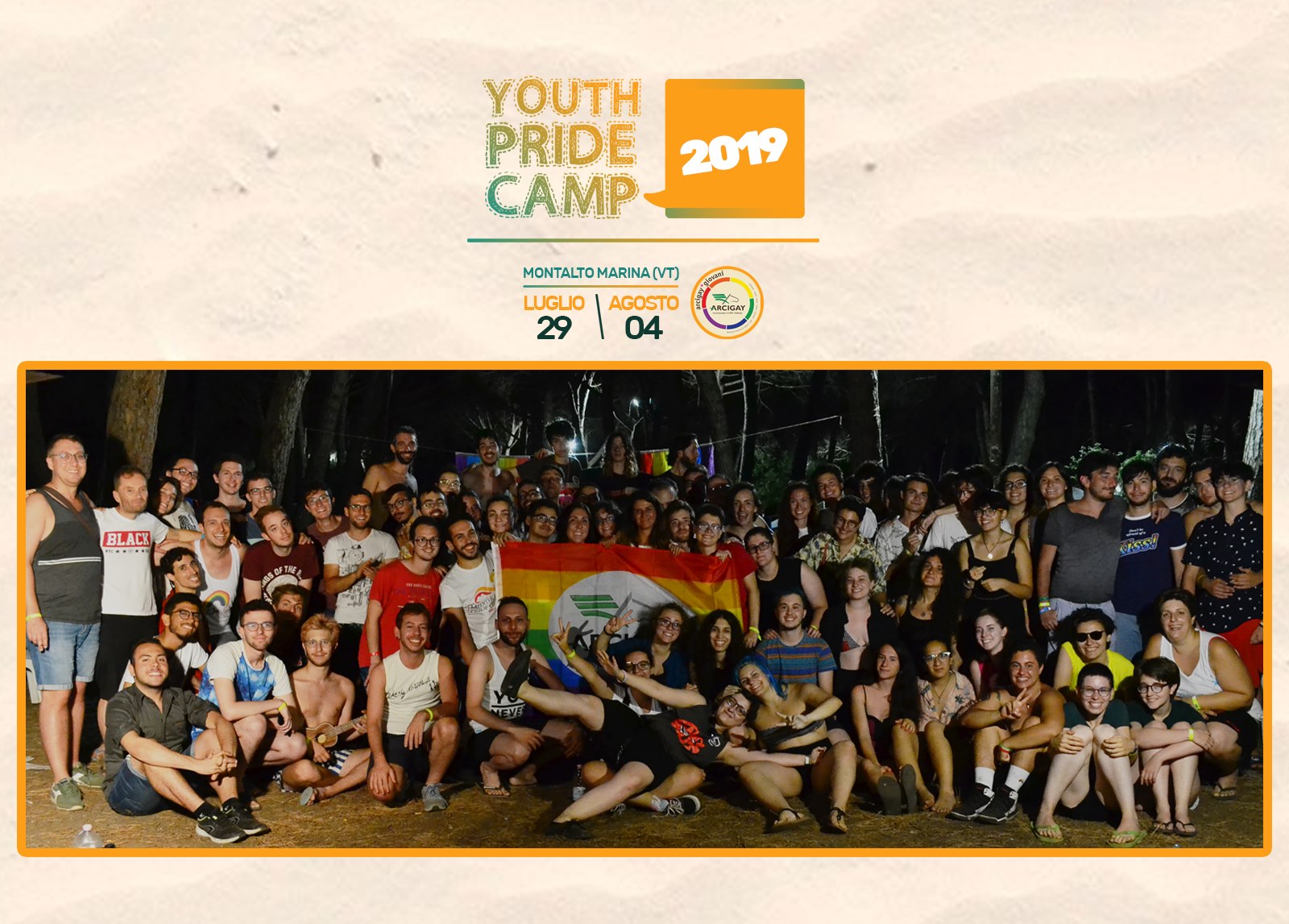
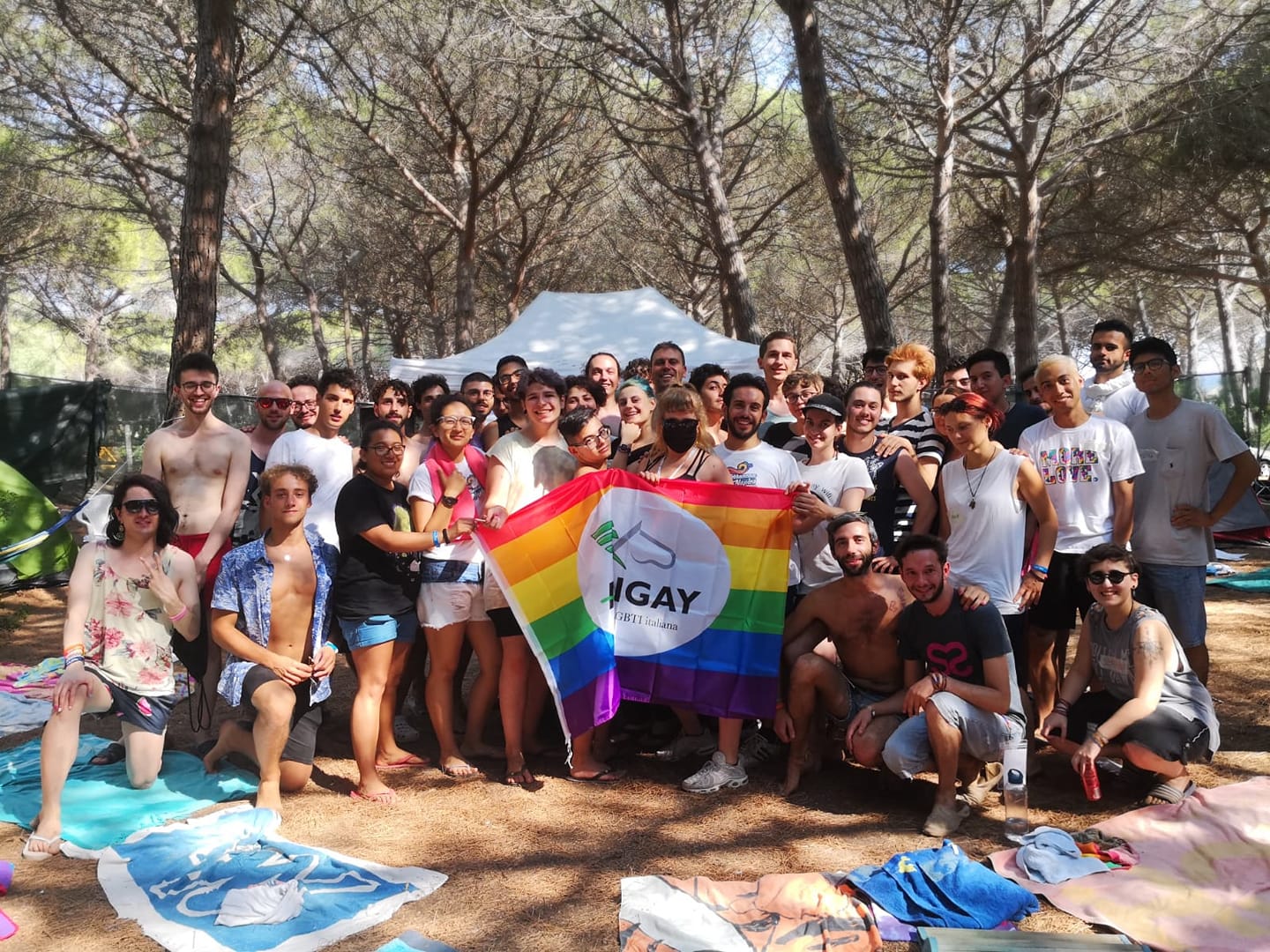
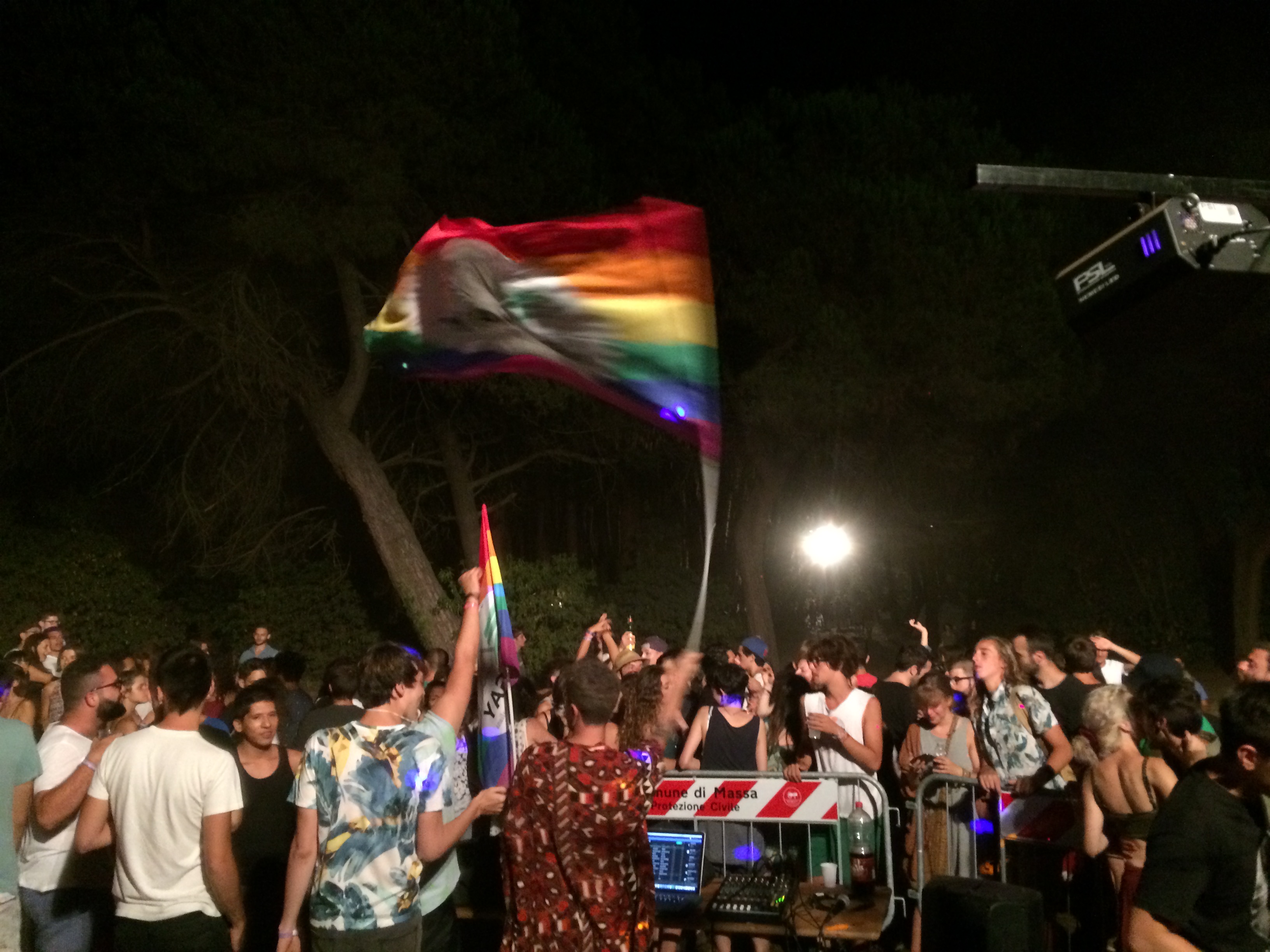
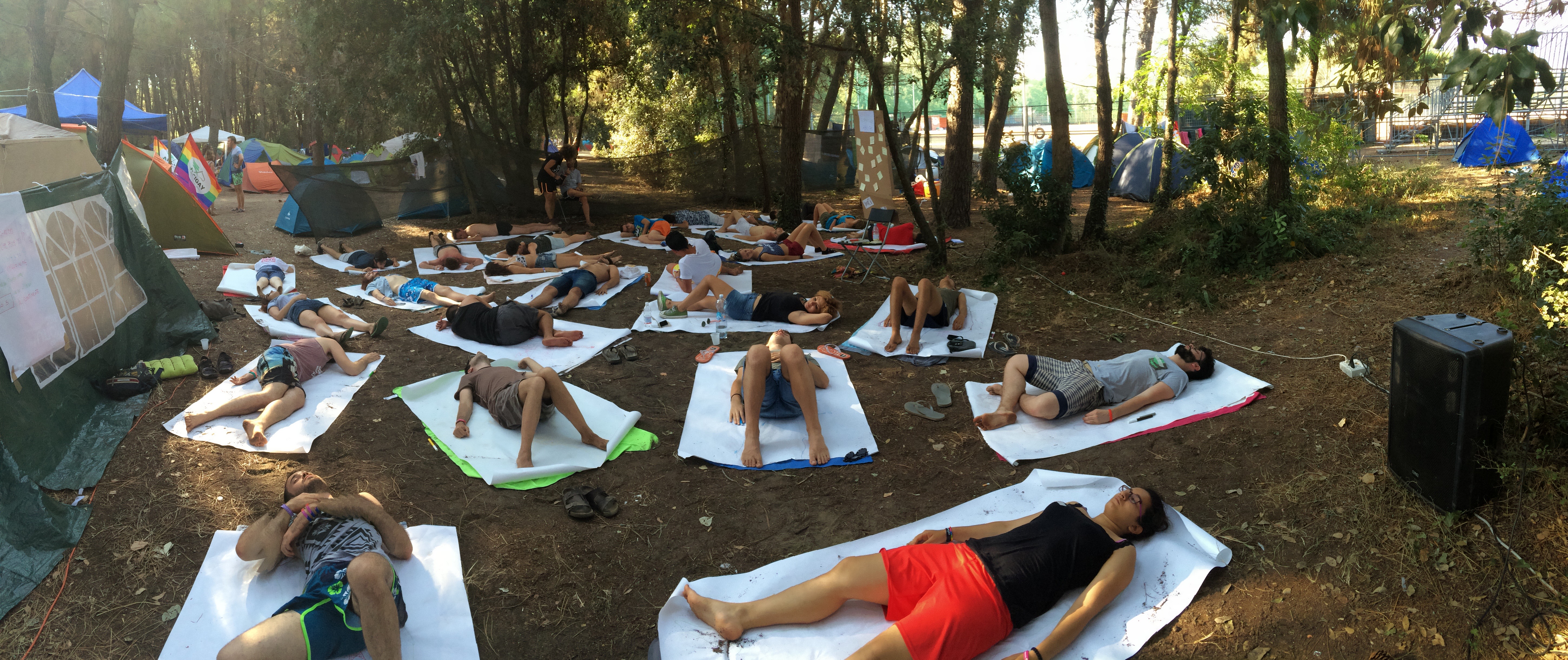
Youth Pride Camp: a camp held annually as part of the camp organized by Italian student organizations, with the aim of stimulating personal growth by providing a meeting space open to all LGBTQIA+ youth, combining recreational, educational, and discussion activities. Until now, the event has been held as part of a larger student event, also with the aim of networking between organizations and combining experiences, languages, and practices between student youth and LGBTQIA+ youth.
Macro-areasThese are a space for development and discussion within the Arcigay Youth Network, held in various parts of the country, divided into four macro-areas (North-East, North-West, Center, South-Islands), making these initiatives accessible to everyone, including those with mobility or financial constraints. The aim is to bring young men and women under 28 together to discuss the association's youth policies and the needs of local youth groups.
Campaigns for “Coming Out”
For more information on the activities and how to join: follow us on Facebook, Instagram And Spotify.
Or write an email to [email protected][:en]Since its founding, Arcigay has made giving voice and representation to young LGBTI people one of its goals. For 10 years, with different visions and structures that have changed over time, it has been dealing with youth policies through the Arcigay Giovani network., officially recognized as an internal reality of the association during the XV congress. download the programmatic document ].
The risk of exclusion for young LGBTI people
Although we don't have specific data on the LGBTI youth population in Italy, the 2006 report by IGLYO (a European LGBTI youth organization, of which Arcigay is a member) provided a good overview of the situation in Europe, highlighting some critical areas that particularly characterize the risk of exclusion for LGBTI young people. Indeed, while young LGBTI people are at risk of exclusion or discrimination based on their sexual orientation or gender identity, they are also vulnerable due to their age and stage in life.
The three key factors of exclusion for young people in general are above all: the difficult relationship between autonomy, independence and social integration; the fragile transition from school to work; the possibility of participating fully in social and political life as active citizens.. The link between autonomy and social integration becomes particularly important for young LGBTI people, whose ability to fully live themselves and their lives is limited by the quality of relationships on which they still effectively depend. On the other hand, if the transition between school and work is already very difficult for young people, given youth unemployment figures across Europe, for young LGBTI people the situation on the one hand exacerbates an already difficult relationship with the aforementioned longed-for autonomy. On the other hand, the obstacles to their educational and work journey can be greater due to the impact that homo-transphobia has on their academic progress and its effectiveness, but more generally on their self-esteem and capacity for self-determination. Finally, the full exercise of citizenship by young people is typically limited by poor representation and a reduced power to influence the places "that matter," that is, where decisions are made in terms of policies and regulations, often characterized by a relative "gerontocracy.".
The typical risks of youth are compounded by all that complex of threats fuelled by homo-transphobia and by the "“minority stress”. The subtle impact of invisibility, the psychological distress in managing homo- and transphobia, and the risk of suicide are particularly characteristic of this stage of life for an LGBTI person, especially because they are still highly psychologically, economically, and socially dependent on others. There are three main areas where this occurs for LGBTI people: school, family, and peers (friends, acquaintances of the same age).
The school
Arcigay is primarily involved in the school sector, working to combat and reduce the impact of homophobia and transphobia in schools, which can lead to school dropouts or difficult and unsatisfactory career paths for the individual. To learn more about Arcigay's work in this area, see section School. On the other hand, Arcigay Giovani has long collaborated with student representatives, both in middle schools and universities, with a dual goal: to build synergies with student organizations on LGBTI issues and to facilitate the visibility of LGBTI people within the student community.
The family
The family is another very critical area, being the place where the conditions of autonomy and the ability of young LGBTI people to live themselves and their own lives are actually determined.
51% of young European LGBTI people who responded to the IGLYO questionnaire reported experiences of prejudice or discrimination in their family. The homo-transphobic climate in the family prevents and discourages self-expression and the “coming out” of their children, making them feel that extending credit to their parents is unnecessarily burdensome. On the other hand, skepticism and disbelief, denial, and demands to "go back to normal" are often described as typical family reactions to their children's coming out. Clichés and stereotypical false beliefs often underlie these reactions. Many transgender people also report the difficulty of a sort of double coming out, since often, before clarifying their gender identity, they believe their need is tied to their sexual orientation (and therefore identify as gay or lesbian). Sometimes, after all, it's not their homosexuality or transsexuality that's directly rejected, at least verbally, but rather their partners, in a sort of masked, symbolic, and practical rejection projected onto the concreteness of their children's emotional and sexual lives.
Family rejection can in turn transform into a painful ordeal of self-rejection on the part of the young LGBTI person or into an equally tiring and painful "double life" strategy, particularly conditioned by limited autonomy: the result is not infrequently the escape or expulsion from the family home, temporarily or permanently, and in general a now well-known impact on the person's health in general, and on psychological health in particular.
Peers (friends, acquaintances of the same age)
While LGBTI youth fortunately find greater acceptance within their peer group, or at least among some of it, 30% of those interviewed in the IGLYO study still reported experiences of discrimination or prejudice. Friendship networks are often pre-selected over time, reducing the influence of strongly homophobic and transphobic ones. But sometimes this isn't enough, especially when it comes to coming out. If they face rejection, LGBTI youth respond by engaging in a laborious but sometimes effective form of informal education, helping their friends overcome the stereotypes with which they have always viewed the world, given their lack of experience with the lives and realities of LGBTI people. More often, however, they must respond by restructuring their friendship networks, sometimes out of choice and necessity to create a non-hostile environment, other times not by choice but simply because they lose friends who aren't accepting. On the one hand, this means that the circle of "true friendships" we've become accustomed to is narrowing, but on the other, it also means that new ones can be created by expanding the network of those who aren't prejudiced or are able to move beyond, or by gradually entering new networks of other LGBTI youth. The risk, at this stage, is that this entire laborious process can lead to a sense of isolation, exacerbated by limited autonomy and independence, even in practice.
This is one of the reasons Arcigay Giovani focuses so much on youth meetings, because rebuilding one's friendship and peer networks often involves finding places where one can finally be oneself with others one's own age who share one's experiences as LGBTI people.
The Arcigay Giovani network: a space for youth citizenship within and outside the association
In almost every city where it operates, the association seeks to establish youth groups made up of members under 28, who coordinate them. Arcigay Giovani, in turn, is a national coordination body for local youth groups and its primary task is to facilitate communication and internal collaboration among members under 28. Young people represent a fundamental resource for the association as a whole and are one of its most active members.
Arcigay Giovani, both at a local level (through youth groups) and at a national level (as a network with its own practices and policies) seeks to respond to two needs:
- create an internal meeting space, of empowerment and citizenship for the young people of the association, where you can get support in your growth journey as an LGBTI person, get to know each other and create friendly networks, discuss or have fun, define the association's youth policies and represent their specific needs;
- bringing LGBTI specificity into the youth world, university and youth policies in various fields: Arcigay Giovani aims to improve LGBTI presence and representation in student and youth associations and in universities. (with a specific focus on university inclusion policies, such as the dual student ID card for transgender people), and in local and national institutions dealing with youth policies (bringing LGBTI issues to the National Youth Forum).
In this context, the importance of community-based policies for welcoming LGBTI people under 18, who are more vulnerable and have very little legal and personal autonomy, is becoming increasingly important.
Programs and projects
Agora: Agorà is a residential space for development and discussion within the Arcigay Youth Network which is held annually, to bring together young men and women under 28 on the association's youth policies and the needs of local youth groups.
Youth Pride Camp: a camp held annually as part of the camp organized by Italian student organizations, with the aim of stimulating personal growth by providing a meeting space open to all young LGBTI people, combining recreational, educational, and discussion activities. Until now, the event has been held as part of a larger student event, also with the aim of networking between organizations and combining experiences, languages, and practices between student and LGBTI youth.
Campaigns for “Coming Out”
For more information on our activities and how to join, follow us on our Facebook page.
[email protected] or on the Facebook page Arcigay Youth

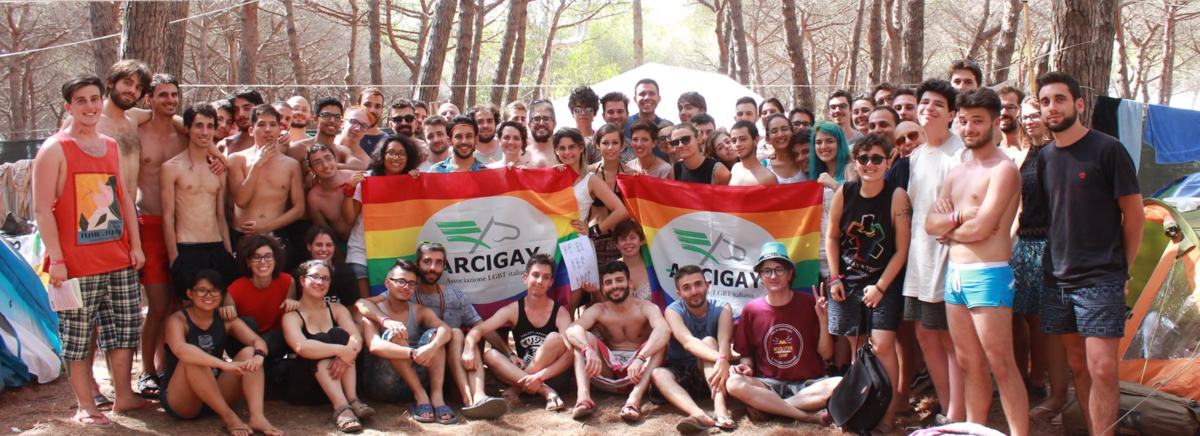
 Arcigay has always been concerned with youth policies through the network of Arcigay Giovani youth groups: gives voice and representation to* LGBTQIA+ youth under 28. Young people are at specific risk of exclusion, due to the difficult relationship between autonomy and social integration, the fragile transition from school to work, and limited participation as active citizens. The challenges of youth are compounded by the risk of homo-lesbian-bi-transphobia and "minority stress"“: at school, in the family, among peers. To meet this challenge, Arcigay works hard to foster encounters between young people: rebuilding one's friendship and peer networks also involves finding places where one can finally be oneself with others one's own age (Youth Groups, Agorà, YouthPrideCamp, Macroareas). Arcigay, both locally and nationally, creates a meeting, support and citizenship space for the young people of the association and brings LGBTQIA+ specificity to the world of youth, universities, and youth policies in general.